
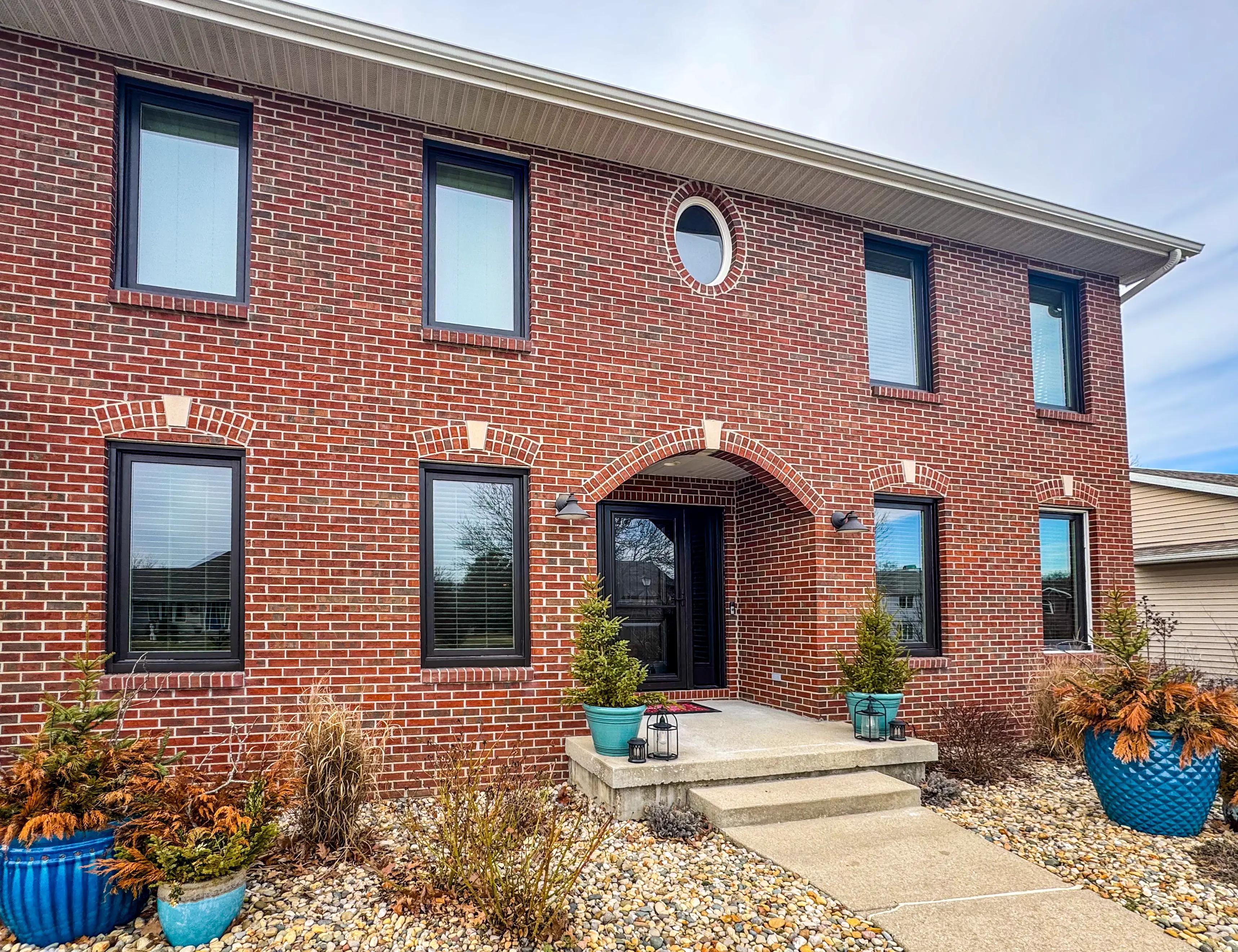
Renovating your entire home can be an exciting opportunity to improve comfort, update outdated spaces, and create a home that better fits your needs. But before choosing finishes or making design plans, there's one important question to answer: how much will it cost?
Whole house renovation costs vary significantly depending on your home's size, condition, and the extent of the changes you're planning. A cosmetic refresh will cost considerably less than a major renovation involving structural changes, new systems, and high-end materials.
Understanding typical costs and what influences them can help you establish a realistic budget and make informed decisions about where to invest.
How Much Does a Whole House Renovation Cost?
A whole house renovation typically costs $15 to $60 per square foot, or approximately $20,000 to $100,000 on average, according to HomeGuide's house remodeling cost estimates. More extensive renovations that involve stripping rooms down to the framing and rebuilding them can cost $60 to $150 per square foot or more.
These estimates provide a starting point, but the total cost depends heavily on the scope of work. Updating flooring, painting, and replacing fixtures is very different from remodeling kitchens and bathrooms, changing layouts, or replacing major home systems.
For additional perspective, the 2026 U.S. Houzz & Home Study found that homeowners spent a median of $20,000 on renovation projects in 2025, while the top 10% spent $150,000 or more. These figures reflect renovation projects of varying sizes, not exclusively whole house renovations.
Ultimately, the most accurate estimate comes from defining your project's scope and getting detailed quotes for the work involved.
What Factors Affect Whole House Renovation Costs?
Two homes with similar square footage can have very different renovation budgets. Several factors determine how much you'll spend.
Home Size and Project Scope
Larger homes generally require more materials and labor, but square footage is only part of the equation.
A renovation focused on painting, flooring, and cosmetic updates will typically be less expensive than one involving structural modifications, plumbing, electrical work, or extensive kitchen and bathroom remodeling.
The more areas and systems you plan to change, the larger your budget will need to be.
Age and Condition of Your Home
Older homes can present additional challenges, particularly when outdated electrical systems, plumbing issues, or hidden damage are discovered during construction.
For example, removing walls or replacing flooring may reveal water damage or structural concerns that need to be addressed before the renovation can continue.
A professional inspection and careful planning can help identify potential issues before work begins.
Materials and Finishes
Your design choices also have a major impact on the total cost.
Custom cabinetry, premium flooring, natural stone countertops, and high-end fixtures typically cost more than standard alternatives. The same applies to windows, doors, and other major home components.
While less expensive materials may reduce upfront costs, it's worth considering durability, maintenance, and long-term performance when making decisions.
Labor and Location
Labor costs vary by region, project complexity, and contractor availability. Renovations requiring specialized trades, such as electricians, plumbers, or structural contractors, may involve additional expenses.
Where Does the Money Go in a Whole House Renovation?
The largest expenses typically depend on which areas of the home need the most work. Kitchens, bathrooms, major systems, and structural changes can account for a significant portion of the budget.
Here's where renovation costs often add up:
- Kitchen renovations: New cabinetry, countertops, appliances, plumbing, and layout changes can make kitchens one of the most expensive areas to update.
- Bathroom remodeling: Tile, fixtures, plumbing, and waterproofing can contribute to higher costs, particularly when changing the room's layout.
- Flooring and interior finishes: Replacing flooring throughout the home, painting, updating trim, and changing lighting can add up across multiple rooms.
- Windows and exterior doors: Replacing aging windows and doors can improve appearance, comfort, and energy efficiency while addressing drafts or operational problems.
- Major home systems: Electrical, plumbing, heating, cooling, and structural improvements can be substantial investments, especially in older homes.
When planning your budget, distinguish between improvements that are necessary for safety or performance and those primarily intended to update the home's appearance.
How to Budget for a Whole House Renovation
A successful renovation starts with a clear budget that reflects both your priorities and the condition of your home.
Identify Your Priorities
Before requesting estimates, determine which improvements are most important.
Are you remodeling primarily to improve appearance, make your home more functional, or address aging components? Your priorities will help guide decisions if certain upgrades cost more than expected.
For example, replacing drafty windows or outdated electrical systems may offer more immediate practical benefits than purely cosmetic updates.
Build in a Contingency Budget
Unexpected expenses are common during major renovations, particularly in older homes.
A common planning approach is to reserve an additional 10% to 20% of your renovation budget for unforeseen work. The appropriate amount depends on the condition of your home and the complexity of your project.
This reserve can help cover unexpected repairs or changes without disrupting the entire renovation.
Get Detailed Estimates
Before committing to a contractor, request written estimates that clearly outline the scope of work, materials, labor, and expected timeline.
Make sure you understand what is included and what may result in additional charges.
For larger projects, it can also be helpful to ask about permits, demolition, debris removal, and whether temporary living arrangements may be necessary.
Should You Renovate Your Whole House at Once or in Phases?
Renovating your entire home at once can be more efficient when several projects depend on one another. For example, flooring installation, electrical updates, and major layout changes may be easier to coordinate within one larger project.
However, completing renovations in phases can make costs more manageable and reduce the disruption of having multiple areas under construction simultaneously.
A phased approach may be especially useful when the work involves independent improvements, such as replacing windows and doors, updating individual rooms, or renovating outdoor spaces.
The right choice depends on your budget, timeline, and how the projects connect. If you're planning several improvements over time, creating a long-term renovation plan can help you avoid duplicating work or making changes that interfere with future upgrades.
Which Home Renovations Add the Most Value?
Not every renovation delivers the same financial return. Some improvements may help increase resale appeal, while others provide value through greater comfort, convenience, and enjoyment of your home.
According to the 2025 Remodeling Impact Report from the National Association of REALTORS®, remodeling value extends beyond resale. Homeowner satisfaction, functionality, and improved enjoyment of living spaces are also important considerations.
When evaluating where to invest, consider improvements that address existing problems while offering lasting benefits.
For example, updated kitchens and bathrooms can improve everyday functionality, while new windows and exterior doors can enhance appearance, natural light, and indoor comfort. Energy-efficient upgrades may also help reduce heating and cooling demands.
The most worthwhile renovations often balance immediate needs, long-term performance, and the home's overall appeal.
Don't Overlook Windows and Doors in Your Renovation Plans
When planning a whole house renovation, it's easy to focus on interior finishes and major room updates. However, aging windows and doors can affect the comfort and appearance of the entire home.
Older windows may contribute to drafts, uneven temperatures, and unwanted heat transfer. Exterior doors that no longer seal or operate properly can create similar problems.
Replacing these components as part of a larger renovation can help create a more complete improvement, especially when you're already updating the home's exterior or surrounding interior spaces.
Quality matters, too. Choosing durable materials, energy-efficient glass, and professional installation can help ensure your new windows and doors deliver lasting performance rather than simply an updated appearance.
Invest in Long-Term Comfort With Renewal by Andersen
Whether you're renovating your entire home or prioritizing improvements over time, Renewal by Andersen can help you upgrade one of its most important features: your windows and doors.
Our custom replacement windows feature exclusive Fibrex® composite material and advanced energy-efficient glass options designed for durability, comfort, and lasting performance. We also offer customizable entry and patio doors to complement your home's style and improve everyday functionality.
With our full-service replacement experience, you'll have expert guidance from your initial consultation through custom design, professional installation, and ongoing support. Our team handles the details, helping make window and door replacement a seamless part of your renovation plans.
Schedule a Consultation