
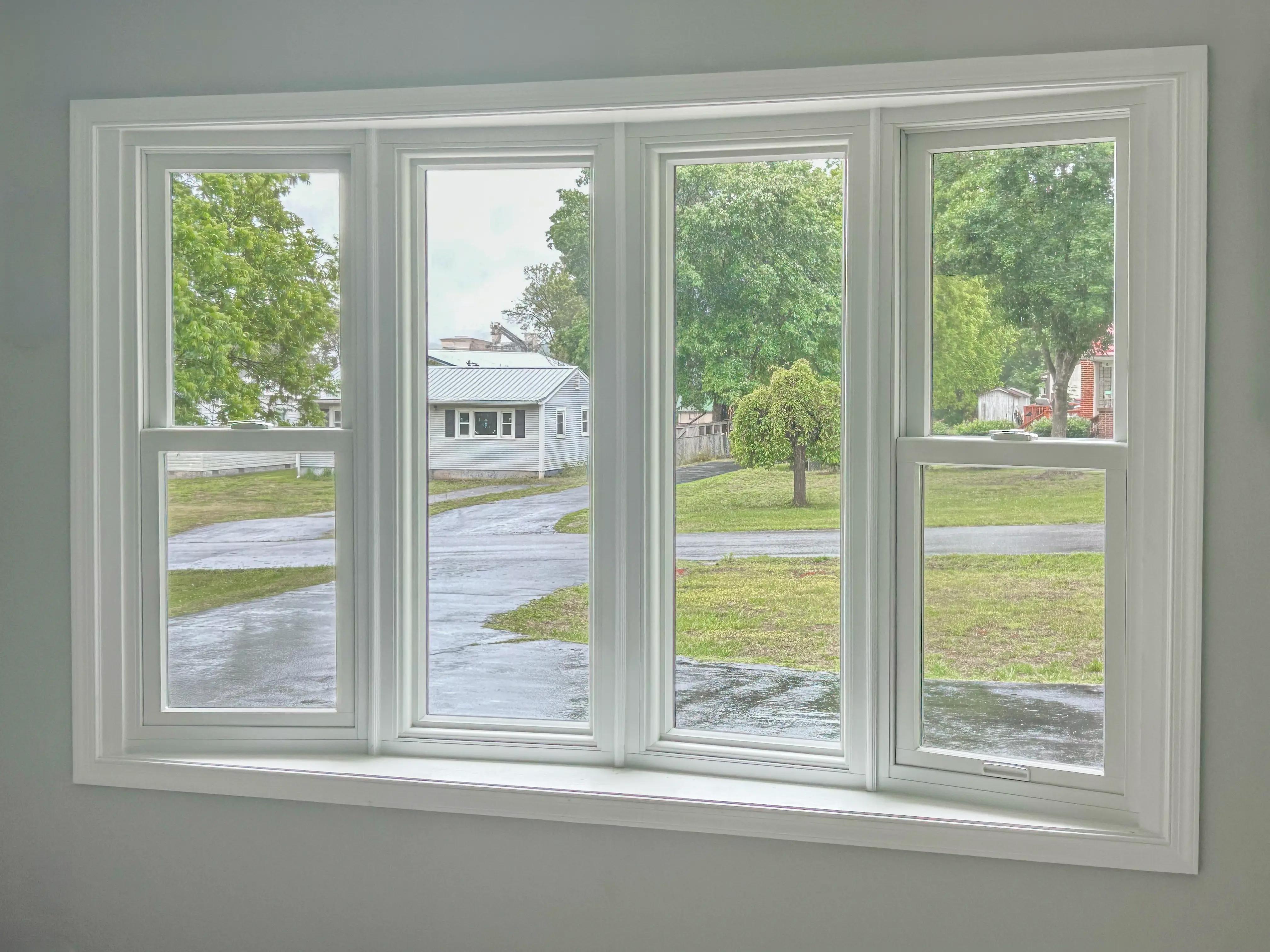
When planning a window replacement project, one of the biggest factors affecting cost is the material you choose. Vinyl, wood, fiberglass, and aluminum windows all come at different price points, with differences in durability, maintenance, appearance, and energy efficiency.
While vinyl and aluminum are typically more affordable upfront, wood and fiberglass often cost more due to their materials, construction, and performance characteristics. Composite windows offer another alternative worth considering.
Understanding window costs by material can help you compare your options and choose replacement windows that fit both your budget and long-term needs.
Average Window Replacement Cost by Material
Replacement windows generally cost anywhere from a few hundred dollars to several thousand dollars per window, depending on the frame material, size, style, and installation requirements.
According to HomeGuide's 2026 window replacement cost estimates, typical national installed price ranges include:
- Vinyl windows: $200 to $1,500 per window
- Wood windows: $800 to $3,800 per window
- Fiberglass windows: $400 to $2,000 per window
- Aluminum windows: $175 to $1,000 per window
- Composite windows: $400 to $2,300 per window
These estimates represent broad national ranges, not guaranteed prices for a specific product or project. Actual costs depend on the window manufacturer, glass package, customization, installation complexity, and local labor rates.
Vinyl Window Replacement Costs
Vinyl is one of the most budget-friendly window materials, with typical installed costs ranging from $200 to $1,500 per window.
Made from polyvinyl chloride (PVC), vinyl windows are popular because they resist moisture, require relatively little maintenance, and offer reasonable insulation at an accessible price.
However, not all vinyl windows perform the same. Lower-quality vinyl frames may be more susceptible to expansion, contraction, or warping during extreme temperature changes. This is worth considering in Midwest climates, where windows must withstand both hot summers and freezing winters.
Vinyl may be a practical choice for homeowners prioritizing affordability, especially when replacing multiple windows at once.
Wood Window Replacement Costs
Wood windows typically cost between $800 and $3,800 per window installed, placing them among the more expensive frame materials.
Their appeal comes primarily from their natural appearance and design flexibility. Wood can be painted or stained to complement traditional architecture, making it particularly attractive for historic homes or projects where maintaining an original aesthetic is important.
Wood also provides natural insulating properties. However, it generally requires more maintenance than vinyl, fiberglass, or composite alternatives.
Without proper care, moisture exposure can lead to swelling, peeling finishes, or rot. Homeowners should account for periodic painting, staining, and sealing when evaluating the total cost of ownership.
For those who prioritize authentic wood finishes and architectural character, the additional expense may be worthwhile.
Fiberglass Window Replacement Costs
Fiberglass replacement windows generally cost between $400 and $2,000 per window installed.
Fiberglass is made using reinforced glass fibers and resin, creating a strong, relatively lightweight frame material. Its dimensional stability helps limit expansion and contraction during temperature changes, making it a suitable option for areas with seasonal weather extremes.
Fiberglass windows also offer:
- Durability: Strong frames that resist warping and deterioration.
- Low maintenance: Less ongoing upkeep than traditional wood frames.
- Energy efficiency: Insulating properties that can support comfortable indoor temperatures when paired with appropriate glass.
Although fiberglass typically costs more than basic vinyl, its durability and reduced maintenance requirements may appeal to homeowners planning to stay in their homes long-term.
Aluminum Window Replacement Costs
Aluminum windows typically cost between $175 and $1,000 per window installed, although premium designs can be considerably more expensive.
Aluminum is valued for its strength, relatively narrow frame profiles, and modern appearance. It is also resistant to rot and requires relatively little maintenance.
The primary drawback is thermal performance. Aluminum conducts heat more readily than materials like vinyl, wood, or fiberglass, which can contribute to heat loss during winter and heat gain during summer.
Some modern aluminum windows address this limitation with thermal breaks, which reduce heat transfer through the frame. These upgrades can improve energy efficiency but may increase the upfront cost.
For homeowners in Iowa and Illinois, where seasonal temperatures vary considerably, the insulation performance of an aluminum window is an especially important consideration.
Composite Window Replacement Costs
Composite windows provide another option for homeowners comparing window materials.
Typically made by combining two or more materials, composite frames are designed to offer benefits such as improved strength, durability, and reduced maintenance. National installed costs generally range from $400 to $2,300 per window, depending on the product and project.
One example is Renewal by Andersen's exclusive Fibrex® composite material, which combines reclaimed wood fiber with thermoplastic polymer.
Unlike traditional vinyl, Fibrex material is engineered for added strength and stability, helping resist warping and maintain performance during temperature changes. It also requires less maintenance than traditional wood.
While composite windows may require a higher upfront investment than basic vinyl options, their durability and low-maintenance characteristics can make them appealing for homeowners focused on long-term value.
Note: The composite pricing range above reflects general market estimates, not Renewal by Andersen-specific pricing.
What Else Affects Window Replacement Costs?
Frame material is only one part of the overall price. Two windows made from the same material can have significantly different costs depending on their design and installation requirements.
Other factors that influence window replacement pricing include:
- Window size and style: Larger windows, specialty shapes, and designs such as bay or bow windows generally cost more than standard single-hung or double-hung options.
- Glass packages: Upgrades such as Low-E coatings, additional panes, and insulating gas fills can increase upfront costs while improving energy performance.
- Installation requirements: Removing damaged frames, repairing surrounding materials, or modifying an existing opening can add labor and material costs.
- Customization: Specialty finishes, grille patterns, hardware, and custom dimensions can affect the final price.
When reviewing estimates, make sure you understand what is included. A lower initial quote may not cover the same glass features, installation services, or warranty protection as a higher-priced option.
Which Window Material Offers the Best Value?
The least expensive window is not necessarily the most cost-effective choice over time.
Vinyl and aluminum can be attractive for homeowners looking to control upfront expenses. Fiberglass and composite materials may offer added durability and stability, while wood provides distinctive appearance and customization options.
Long-term value depends on several considerations, including maintenance, energy efficiency, and how well the window performs in your climate.
For example, a window that requires frequent maintenance or develops air leaks may create additional expenses beyond its initial purchase price.
Energy performance also matters. The U.S. Department of Energy provides guidance on reducing heat transfer around windows, and selecting efficient window products can help homeowners manage heating and cooling demands.
Rather than choosing based on material price alone, consider how the complete window system will perform throughout its lifespan.
How to Choose the Right Window Material for Your Budget
The right window material depends on your priorities.
If keeping initial expenses low is most important, vinyl may offer the best fit. If architectural detail and natural finishes matter more, wood could justify the higher investment.
Fiberglass and composite windows are worth considering when durability, insulation, and low maintenance are greater priorities.
For Midwest homeowners, climate should also factor into the decision. Windows must withstand freezing temperatures, summer humidity, and significant seasonal changes. Choosing materials that maintain their shape and performance over time can help protect your investment.
Ultimately, comparing complete window systems, rather than frame materials alone, will give you a more accurate picture of what you are paying for.
Explore Long-Term Value With Renewal by Andersen
Window replacement is a significant investment, and finding the right solution means looking beyond the initial price.
Renewal by Andersen offers a start-to-finish window replacement experience, helping homeowners evaluate their options based on their home's design, energy efficiency needs, and long-term goals.
Its custom-built replacement windows feature exclusive Fibrex® composite material, combining the strength of wood with the low-maintenance benefits of synthetic materials. Paired with High-Performance™ Low-E4® glass options, these windows are designed to provide lasting durability and year-round comfort.
Renewal by Andersen also provides professional installation by Certified Master Installers, helping ensure each window is properly fitted and sealed. The full-service approach includes consultation, custom manufacturing, and installation, giving homeowners a more complete understanding of their investment.
Whether you are replacing a few aging windows or planning a larger home improvement project in Des Moines, Central Illinois, or the Quad Cities, schedule a free consultation with Renewal by Andersen to explore your options and receive a personalized estimate.
Schedule a Consultation