
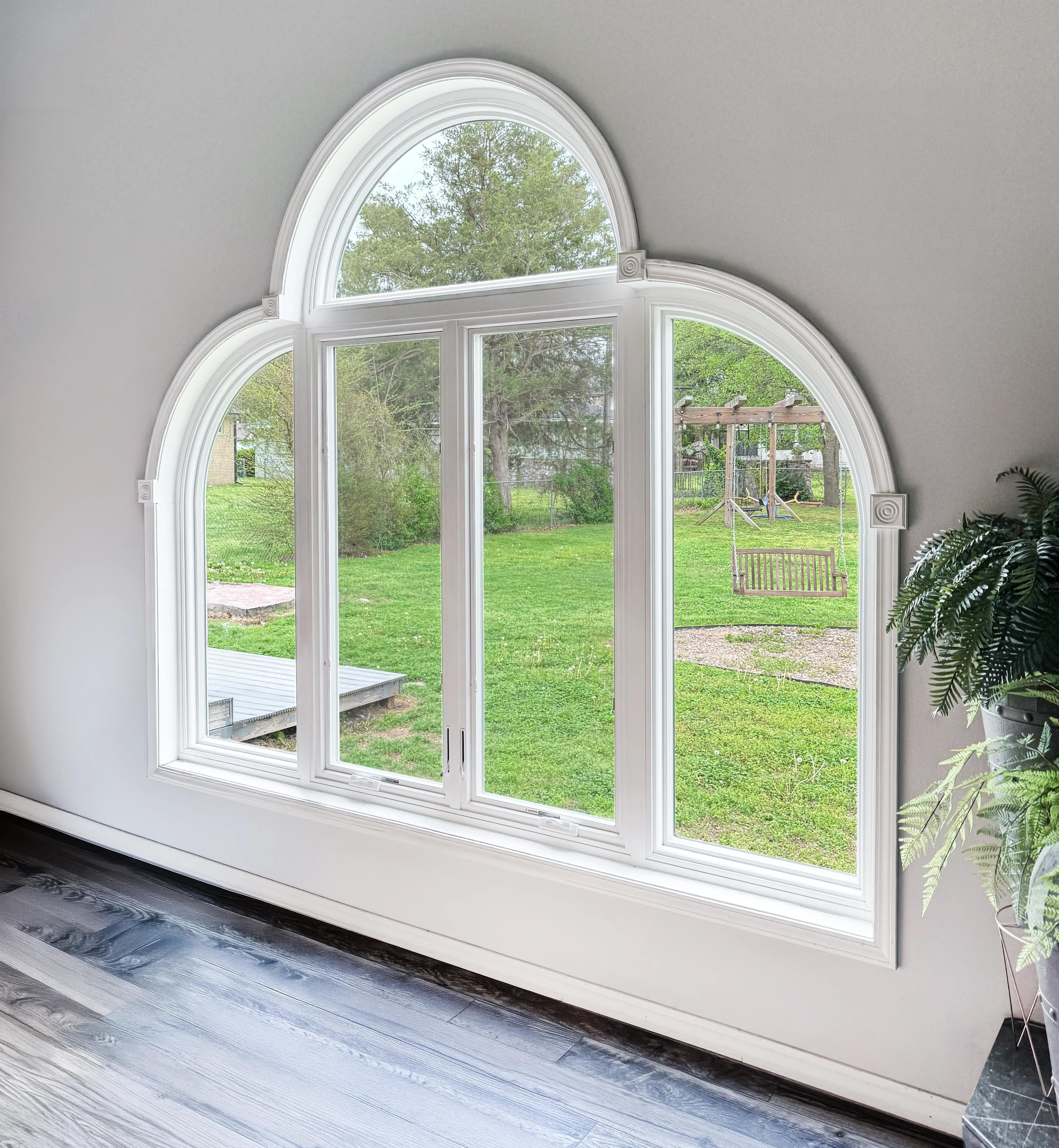
When choosing replacement windows, frame material is one of the most important decisions you will make. Two popular options are composite and vinyl windows, both of which offer low-maintenance alternatives to traditional wood frames.
The main difference between composite and vinyl windows comes down to their construction, durability, and cost. Vinyl windows are generally more affordable upfront, while composite windows often offer greater structural strength and stability during temperature changes.
Understanding how these materials compare can help you decide which option makes the most sense for your home's needs and long-term value.
What Is the Difference Between Composite and Vinyl Windows?
Vinyl windows are made from polyvinyl chloride (PVC), a plastic material that resists moisture and requires relatively little maintenance. They are widely available and often chosen for their affordability and insulating properties.
Composite windows are manufactured by combining two or more materials, often wood fibers and polymers, to create a frame designed for strength, durability, and insulation. The exact composition varies by manufacturer, so not all composite windows have the same performance characteristics.
Both materials can be suitable for replacement windows, but they differ in several important ways:
- Upfront cost: Vinyl is generally more affordable, while composite windows typically require a higher initial investment.
- Durability: Composite frames are often engineered for greater strength and stability, particularly during temperature changes.
- Energy efficiency: Both materials can provide good insulation, depending on the complete window design.
- Maintenance: Both are relatively low maintenance, although specific care requirements vary by product.
- Appearance: Composite materials may support different frame profiles, finishes, and design options than standard vinyl.
These differences become more important when considering how your windows will perform over many years.
Composite vs. Vinyl Window Durability
Durability is one of the biggest considerations when comparing composite and vinyl windows, particularly in climates with significant seasonal temperature changes.
How Durable Are Vinyl Windows?
Vinyl resists moisture, rot, and corrosion, making it a practical option for many homes. Quality vinyl windows can provide reliable performance for years when properly manufactured and installed.
However, vinyl expands and contracts as temperatures change. In demanding conditions, this movement can contribute to frame distortion or affect how well certain windows operate and seal over time.
Modern vinyl formulations have improved resistance to temperature changes, so durability varies significantly between products.
How Durable Are Composite Windows?
Composite windows are generally designed to combine the strengths of multiple materials into one frame. Depending on their construction, they can offer greater rigidity, dimensional stability, and resistance to moisture-related deterioration.
For example, Renewal by Andersen's exclusive Fibrex® composite material combines reclaimed wood fiber with thermoplastic polymer. According to Andersen's material specifications, Fibrex material is twice as strong as vinyl, allowing it to maintain stability during changing temperatures.
For homeowners in Iowa and Illinois, where temperatures can shift dramatically between winter and summer, that stability is an important consideration for long-term window performance.
Are Composite or Vinyl Windows More Energy Efficient?
Both composite and vinyl windows can provide strong energy efficiency when paired with high-performance glass and properly installed.
Vinyl has natural insulating properties, and some vinyl frames contain insulated chambers that help reduce heat transfer.
Composite frames also offer insulating benefits. Their structural stability can help windows maintain consistent operation and sealing during seasonal temperature changes.
However, frame material alone does not determine whether a window is energy efficient.
When comparing products for energy efficiency, homeowners should look for:
- U-factor: Measures how well a window prevents heat from escaping. Lower values indicate better insulation.
- Solar Heat Gain Coefficient (SHGC): Measures how much solar heat passes through a window. The ideal rating depends on your climate and window placement.
- Air leakage: Indicates how much air passes through the window assembly. Lower leakage supports better indoor comfort.
These performance ratings provide a more reliable comparison than assuming one frame material will always be more energy efficient than another.
Composite vs. Vinyl Window Costs
Vinyl windows generally cost less upfront than composite windows, making them attractive for homeowners working within a tighter budget.
Composite windows typically carry a higher initial price because of their material composition, manufacturing process, and available product features.
For context, a 2026 This Old House homeowner survey reported average window prices of $472 for vinyl and $513 for composite, before installation.
The final price of either material will depend on the window size, style, glass package, customization, and installation requirements.
While vinyl may offer savings initially, composite windows can be worth considering for homeowners who prioritize durability and long-term performance.
Instead of comparing purchase prices alone, consider the complete cost of ownership, including maintenance, potential repairs, and warranty coverage.
Note: The composite pricing range above reflects general market estimates, not Renewal by Andersen-specific pricing.
Maintenance and Appearance: How Do They Compare?
Both materials are designed to be relatively easy to maintain, especially compared to traditional wood windows.
Vinyl windows generally do not require painting or staining. Routine cleaning and occasional inspection of seals and hardware are typically sufficient.
Composite windows also offer low-maintenance benefits, although the requirements depend on the specific material and finish.
Appearance is another consideration. Standard vinyl windows may have more limited color or frame options, depending on the manufacturer. Some composite materials provide greater structural strength, allowing narrower frames and more visible glass area.
For example, Fibrex material's strength allows Renewal by Andersen to manufacture narrower frame profiles without sacrificing structural integrity. This can provide more glass area and natural light while maintaining durability.
Which Is Better: Composite or Vinyl Windows?
Neither material is automatically the best choice for every home. The right decision depends on your budget, climate, and expectations for long-term performance.
Vinyl windows may be a good fit if:
- Your primary concern is keeping upfront replacement costs low.
- You want a low-maintenance window material.
- You are comparing standard replacement options without extensive customization.
Composite windows may be worth the investment if:
- You prioritize long-term durability and structural stability.
- Your home experiences significant seasonal temperature changes.
- You want a low-maintenance material with additional design flexibility.
- You plan to stay in your home for many years.
Product quality and installation are just as important as the material itself. A well-made, properly installed vinyl window may perform better than a poorly manufactured composite window.
Comparing the complete window system, its performance ratings, and warranty coverage will help you make a more informed decision.
Explore the Benefits of Fibrex® Composite Windows With Renewal by Andersen
If you are considering composite replacement windows, Renewal by Andersen offers a solution designed around long-term durability, energy efficiency, and comfort.
Renewal by Andersen's exclusive Fibrex® composite material combines the strength of wood with the low-maintenance benefits of synthetic materials. Its resistance to warping and weather-related deterioration makes it well-suited for homes throughout Iowa and Illinois, where windows must withstand changing seasonal conditions.
Paired with High-Performance™ Low-E4® glass options, Renewal by Andersen windows are designed to support comfortable indoor temperatures while helping reduce heat transfer throughout the year.
The process also includes custom manufacturing and professional installation by Certified Master Installers, helping ensure each window is properly fitted and sealed.
Whether you are replacing aging vinyl windows or exploring composite materials for the first time, Renewal by Andersen can help you compare your options and find a solution that fits your home.
Schedule a Consultation