
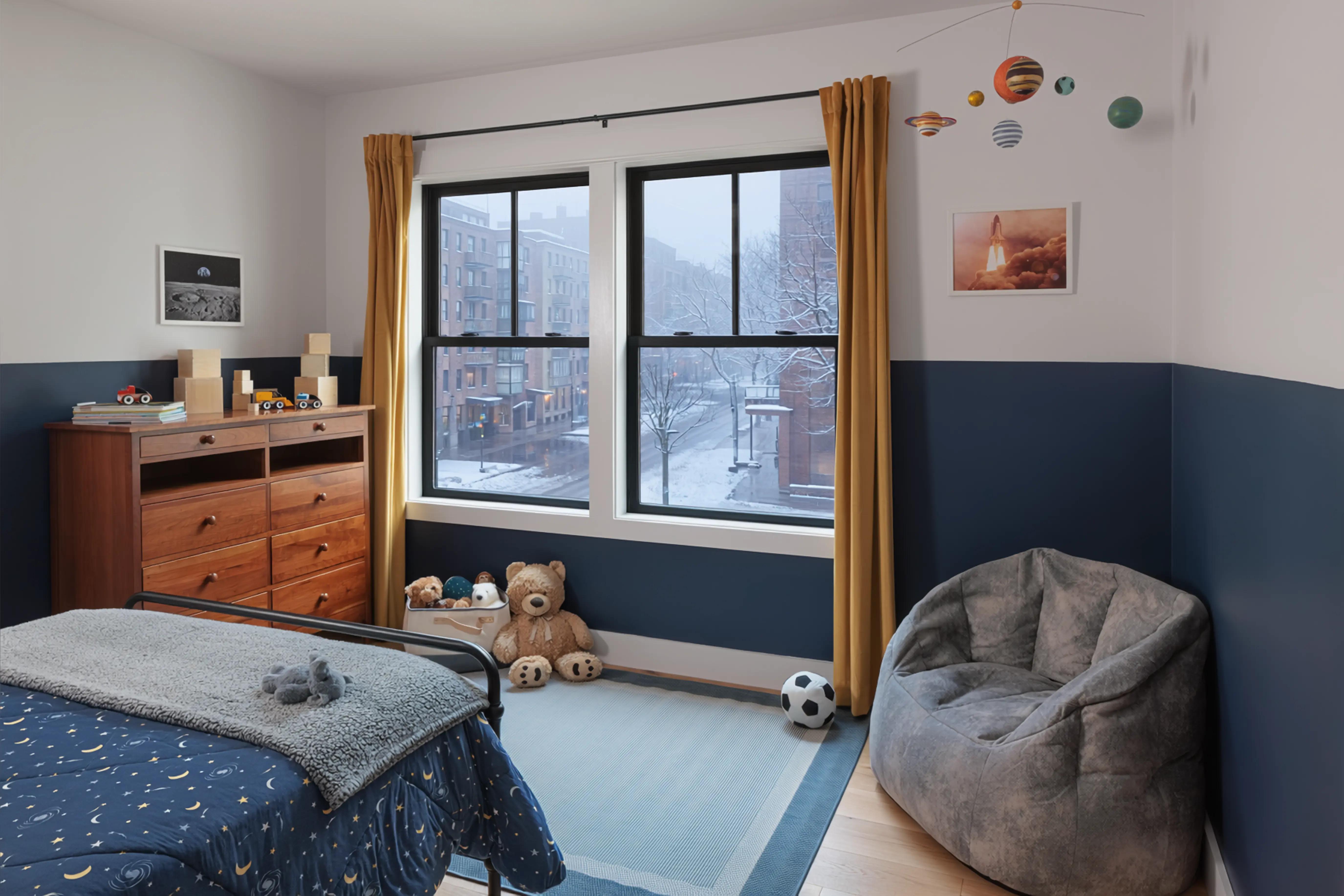
Cold winters can put a lot of stress on your home's windows. When temperatures drop, poorly insulated windows can allow heat to escape, create uncomfortable drafts, and make it harder to maintain consistent indoor temperatures.
The best windows for cold climates combine insulated glass, energy-efficient frames, and tight seals to reduce heat loss. Double-pane or triple-pane windows with Low-E glass are often strong options, particularly when paired with durable frame materials and professional installation.
For homeowners in colder regions like Iowa and Illinois, understanding these features can help you choose windows that perform reliably throughout the winter.
What Makes a Window Good for Cold Weather?
Windows designed for cold climates need to do more than keep outside air from entering your home. They also need to limit the amount of heat that passes through the glass and frame.
A high-performing cold-weather window typically includes several important features:
- Insulated glass: Multiple panes create barriers that reduce heat transfer between indoor and outdoor temperatures.
- Low-E coatings: Special glass coatings help reflect indoor heat back into the home during colder weather.
- Energy-efficient frames: Materials with good insulating properties help limit heat loss around the glass.
- Tight seals: Quality weatherstripping and proper installation help prevent cold drafts and air leakage.
These features work together to improve comfort and reduce the amount of energy needed to heat your home.
Double-Pane vs. Triple-Pane Windows for Cold Climates
One of the biggest considerations when choosing winter-ready windows is the number of glass panes.
Double-Pane Windows
Double-pane windows contain two layers of glass separated by an insulating space. Many modern designs use argon gas between the panes to further reduce heat transfer.
Compared to older single-pane windows, double-pane options provide substantially better insulation and can help make rooms more comfortable during winter.
For many Midwest homes, high-performance double-pane windows offer an effective balance of insulation, cost, and year-round energy efficiency.
Triple-Pane Windows
Triple-pane windows add another layer of glass and an additional insulating space, providing greater protection against heat transfer.
They can be especially beneficial in areas with prolonged freezing temperatures or for homeowners who prioritize maximum insulation.
However, triple-pane windows generally cost more than comparable double-pane options. The added insulation may be worthwhile depending on your climate, existing windows, and energy efficiency goals.
Rather than choosing based on pane count alone, compare the energy ratings of the complete window.
Why Low-E Glass Matters in Winter
Glass technology plays a major role in how well windows retain heat.
Low-E, or low-emissivity, glass features a thin, nearly invisible coating that helps control heat transfer. During winter, it reduces the amount of indoor heat that escapes through the glass. In summer, appropriately selected Low-E coatings can also help limit unwanted solar heat gain.
This makes Low-E glass particularly valuable in places like Des Moines, Peoria, and the Quad Cities, where homeowners experience both cold winters and hot summers.
Different Low-E glass options are designed for different climates and levels of sun exposure. Some prioritize retaining indoor heat, while others help reduce excessive solar heat during warmer months.
Choosing the right glass package helps ensure your windows support comfort throughout the year, not just during the coldest months.
Which Window Frame Materials Perform Best in Cold Climates?
While glass is important, frame material also affects insulation, durability, and long-term performance.
- Vinyl windows provide good thermal insulation and require relatively little maintenance. However, their performance and resistance to temperature-related movement can vary depending on the quality of the frame.
- Wood windows offer natural insulating properties and a traditional appearance. They can perform well in cold climates but generally require more maintenance to protect against moisture and deterioration.
- Fiberglass windows are known for strength, dimensional stability, and low maintenance, making them a strong option for regions with seasonal temperature extremes.
- Composite windows combine different materials to provide durability and insulation. Depending on their construction, composite frames can offer greater resistance to expansion, contraction, and weather-related wear.
- Aluminum windows are strong and low maintenance, but the material conducts heat readily. For cold climates, aluminum frames generally need effective thermal breaks to reduce heat loss.
The right frame material depends on your priorities, but homeowners should focus on the insulation and durability of the entire window rather than the frame alone.
Understanding Window Energy Efficiency Ratings
When comparing replacement windows for cold climates, energy performance ratings can help you look beyond general product claims.
The ENERGY STAR program recommends evaluating windows based on their climate-specific performance.
Three ratings are particularly important:
- U-factor: Measures how quickly heat passes through a window. Lower U-factors indicate better insulation, making this one of the most important ratings for cold climates.
- Solar Heat Gain Coefficient (SHGC): Measures how much solar heat enters through the glass. In colder climates, some solar heat gain can be beneficial during winter, although summer cooling needs also matter.
- Air leakage: Measures how much air passes through the window assembly. Lower leakage helps limit drafts and improve comfort.
For example, ENERGY STAR recommends windows with a U-factor of 0.22 or lower for its Northern Climate Zone under its standard prescriptive criteria.
Checking the National Fenestration Rating Council (NFRC) label can help you compare these performance measurements across different manufacturers.
Can Energy-Efficient Windows Help Prevent Winter Condensation?
Yes, energy-efficient windows can help reduce certain types of condensation during cold weather.
Interior window condensation forms when warm, humid indoor air comes into contact with cold glass. Windows with better insulation can keep interior glass surfaces warmer, reducing the likelihood of moisture forming.
However, even high-performance windows can develop condensation when indoor humidity is excessive.
If you regularly notice moisture on the glass, improving ventilation and managing indoor humidity may help. Fogging trapped between glass panes is different and often indicates a failed insulating glass seal.
Why Installation Matters in Cold Weather Performance
Even windows with excellent energy ratings may underperform if they are not installed correctly.
Gaps around a window frame can allow cold air to enter and heated air to escape. Poor insulation around the opening can also create cold spots that affect indoor comfort.
Professional installation helps ensure the replacement window fits properly, operates smoothly, and maintains effective seals around the frame.
This is particularly important in Midwest homes, where windows must withstand winter freezes, strong winds, and frequent seasonal temperature changes.
How Renewal by Andersen Helps Keep Homes Comfortable in Cold Climates
For homeowners facing cold Midwest winters, choosing replacement windows means finding a solution that balances insulation, durability, and year-round performance.
Renewal by Andersen offers custom-built replacement windows made with exclusive Fibrex® composite material. Combining reclaimed wood fiber with thermoplastic polymer, Fibrex material is engineered for strength and stability, helping resist warping and deterioration during changing weather conditions.
Renewal by Andersen also offers advanced High-Performance™ Low-E4® glass options designed to reduce heat transfer and help maintain comfortable indoor temperatures. Available enhanced triple-pane options can provide additional insulation for homeowners seeking stronger cold-weather performance.
Beyond the window itself, Renewal by Andersen provides a start-to-finish replacement process, from an in-home consultation and custom manufacturing to professional installation by Certified Master Installers.
For homeowners in Des Moines, Central Illinois, and the Quad Cities, that combination of durable materials, energy-efficient glass, and professional installation can help improve comfort through freezing winters and changing seasons.
Schedule a Consultation