
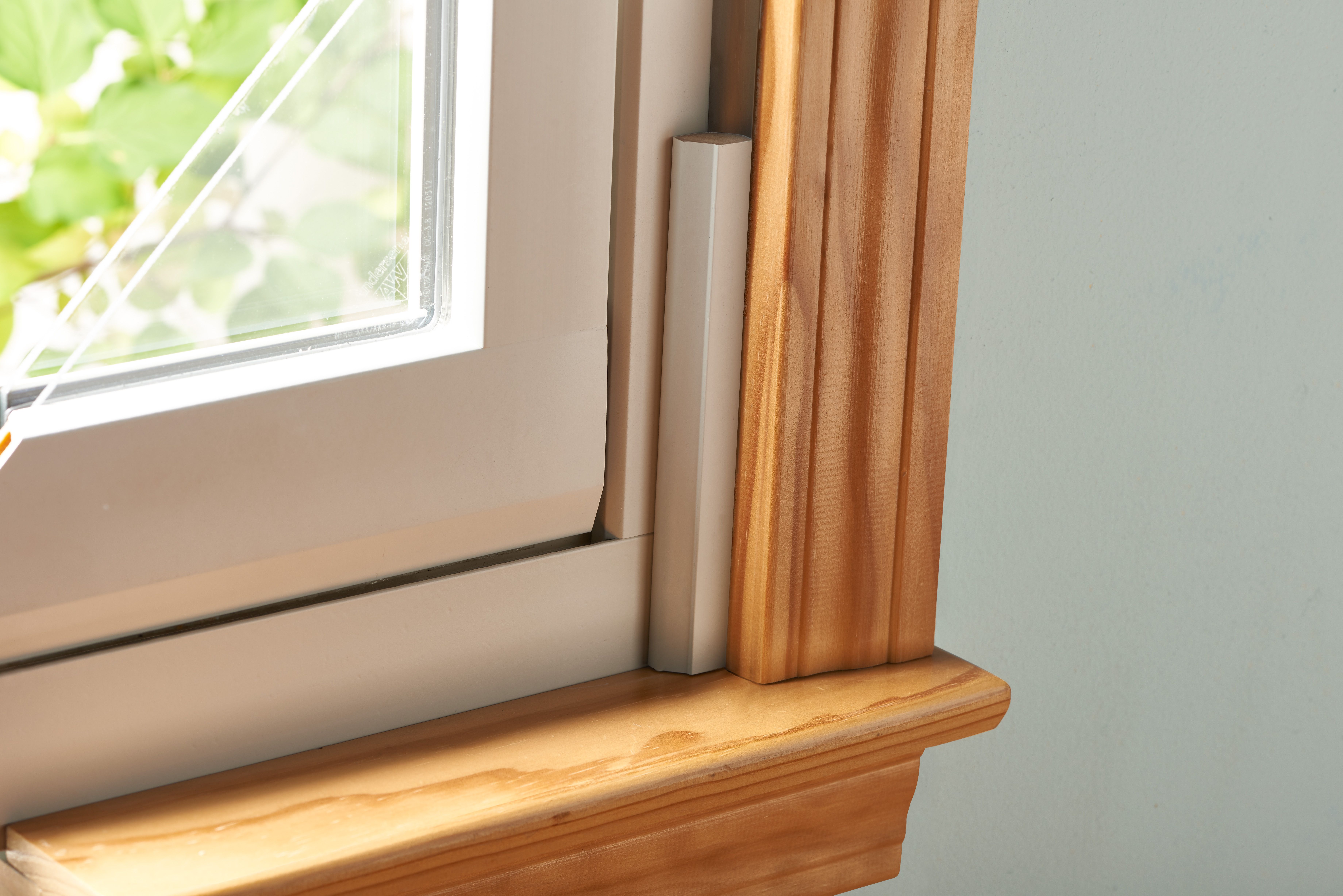
If your current windows are letting in drafts, driving up energy bills, or simply showing their age, replacement becomes less of a question and more of a priority. But once you start exploring options, one decision quickly stands out: Fibrex® vs vinyl windows.
Both materials are widely used and offer clear advantages over older window types. However, they differ in ways that can significantly impact your home’s comfort, efficiency, and long-term value. Understanding those differences is key to choosing a window solution that performs not just today, but for years to come.
What’s the Difference Between Fibrex and Vinyl Windows?
Vinyl windows have been a popular choice for decades. Made from PVC (polyvinyl chloride), they offer a low-maintenance and relatively affordable option for homeowners. Their multi-chambered design provides insulation, and they’ve earned a reputation as a practical, budget-friendly solution.
Fibrex, on the other hand, is a composite material designed to go a step further. It blends reclaimed wood fiber with thermoplastic polymer, combining the strength of wood with the durability and moisture resistance of synthetic materials.
This difference in composition leads to a key distinction:
- Vinyl relies on plastic alone
- Fibrex is engineered for added strength, stability, and performance
Fibrex vs Vinyl Windows: Key Differences at a Glance
Material Strength
- Fibrex® Windows: Very strong - resists warping and cracking
- Vinyl Windows: Moderate strength - can flex over time
Energy Efficiency
- Fibrex® Windows: High - maintains tight seals
- Vinyl Windows: Good - varies by design
Thermal Expansion
- Fibrex® Windows: Minimal expansion and contraction
- Vinyl Windows: Expands and contracts with temperature
Frame Thickness
- Fibrex® Windows: Narrower frames; more glass area
- Vinyl Windows: Thicker frames
Durability
- Fibrex® Windows: Long-lasting; resists weathering
- Vinyl Windows: Durable, but may degrade over time
Maintenance
- Fibrex® Windows: Low maintenance
- Vinyl Windows: Low maintenance
Aesthetic Flexibility
- Fibrex® Windows: Can be painted; more design flexibility
- Vinyl Windows: Limited color options
Upfront Cost
- Fibrex® Windows: Higher initial investment
- Vinyl Windows: More budget-friendly
How Material Impacts Energy Efficiency
Energy efficiency is one of the most important factors when choosing replacement windows, and it’s an area where material performance plays a major role.
Vinyl windows provide solid insulation, especially with multi-chambered frames. However, vinyl naturally expands and contracts with temperature changes. Over time, this movement can affect seals, potentially allowing air leakage.
Fibrex material is designed to remain far more stable. It expands and contracts significantly less than vinyl, helping maintain a tighter seal between the window and your home. That consistency can make a noticeable difference in maintaining indoor temperatures, especially in regions with seasonal extremes.
When paired with advanced glass options like High-Performance™ Low-E glass, Fibrex windows create a more complete barrier against heat transfer, supporting both comfort and efficiency year-round.
Durability and Long-Term Performance
Windows are a long-term investment, so how they hold up over time matters just as much as how they perform initially.
Vinyl windows are known for being low maintenance and resistant to moisture. However, prolonged exposure to temperature swings and sunlight can cause gradual wear, including warping, brittleness, or seal failure.
Fibrex is engineered with durability in mind. Its composite structure resists cracking, peeling, and warping, even under demanding weather conditions. This added strength helps windows maintain both their appearance and performance over a longer lifespan.
For homeowners planning to stay in their home for many years, that long-term reliability can be a key advantage.
Appearance and Design Flexibility
Window design is not just about function, it also affects how your home looks and feels. Because Fibrex is stronger than vinyl, it allows for narrower frames without sacrificing structural integrity. This means more visible glass area and more natural light, something many homeowners value, especially in living spaces. Fibrex can also be painted, offering greater flexibility if your design preferences change over time.
Vinyl windows, while available in a range of colors, are typically not paintable and often require thicker frames to maintain strength. While this does not impact performance in every case, it can influence overall aesthetics.
Cost vs Long-Term Value
Vinyl windows are often chosen for their lower upfront cost, making them a practical option for budget-conscious projects.
Fibrex windows typically require a higher initial investment, but they are designed to deliver value over time through:
- Greater durability
- More consistent energy performance
- Longer lifespan
When viewed over the life of the window, these factors can offset the initial price difference, particularly in homes where comfort and efficiency are priorities.
When Vinyl Windows Might Make Sense
Vinyl windows remain a solid choice in certain situations. They may be a good fit for:
- Projects with tighter upfront budgets
- Rental properties or short-term ownership plans
- Areas where long-term performance is less critical
For many homeowners, however, especially those planning to stay in their home, the added performance and durability of Fibrex can make it a more compelling long-term solution.
How Renewal by Andersen Helps You Make the Right Choice
Choosing between Fibrex and vinyl becomes much easier with the right guidance. Renewal by Andersen takes a comprehensive approach, helping homeowners evaluate their current windows and determine which solutions will perform best for their home and environment. This includes considering factors like climate, window placement, and long-term performance goals.
Renewal by Andersen replacement windows are built with exclusive Fibrex® composite material, offering a combination of strength, stability, and low maintenance that goes beyond traditional vinyl. When paired with advanced Low-E glass options, this creates a window system designed to improve comfort, efficiency, and durability over time.
Professional installation by Certified Master Installers ensures that each window is properly fitted and sealed, helping you get the full benefit of your investment. In climates with wide temperature swings, like those seen across Illinois and Iowa, choosing a more stable, high-performing material can make a noticeable difference in long-term comfort and performance.
Schedule a Consultation