
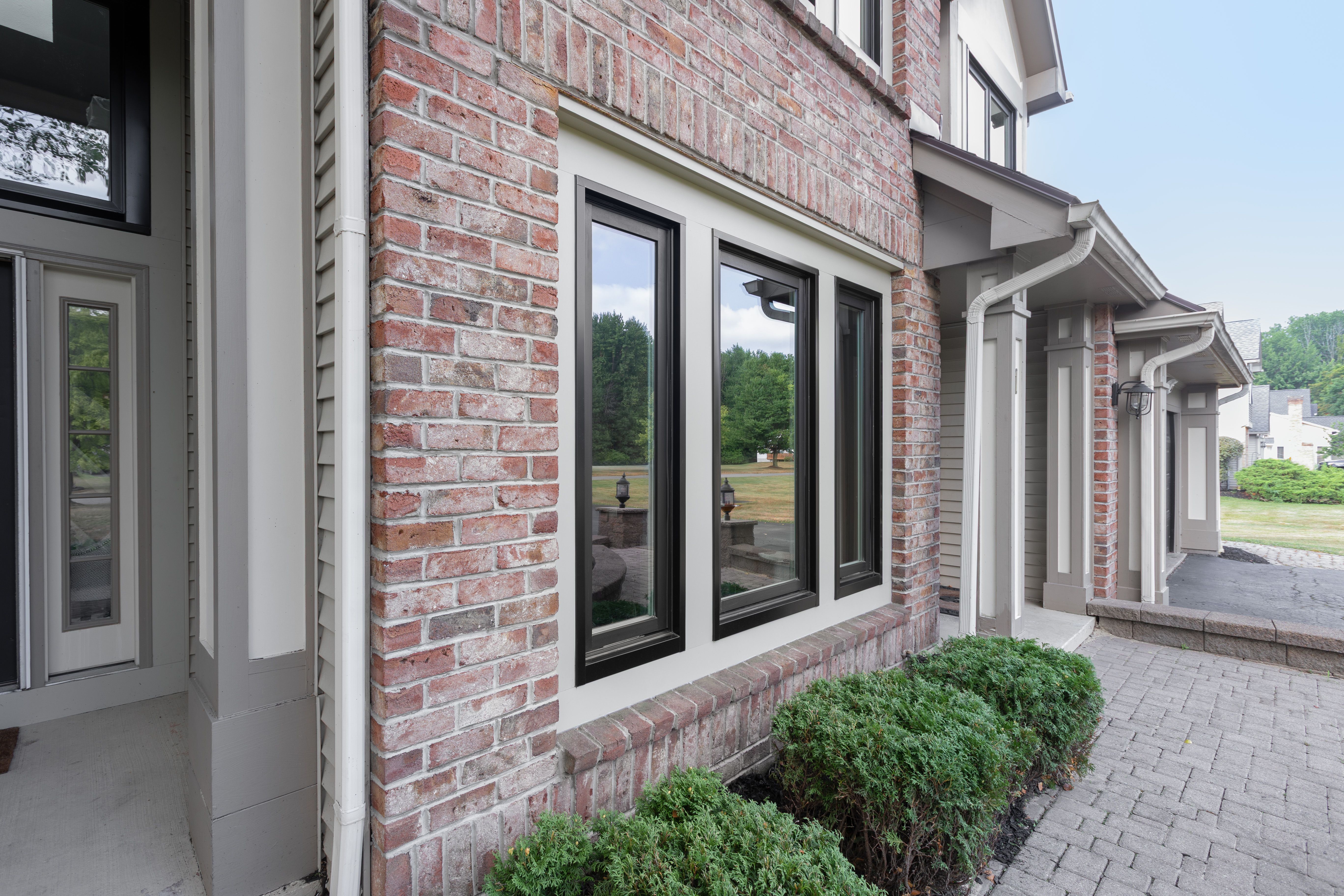
When homeowners face the reality of replacing their windows, the financial aspect often becomes the biggest hurdle. With window replacement projects averaging around $7,200-$8,000 nationwide (10 windows), many homeowners find themselves wondering how to manage this significant investment without depleting their savings or compromising on quality. The good news is that numerous financing options exist to make this essential home improvement both accessible and affordable.
Understanding your financing options becomes particularly important when you consider that quality windows are not just an expense, they're an investment in your home's future. The right financing strategy can help you secure premium windows that deliver decades of energy savings, enhanced comfort, and increased property value, all while maintaining your financial flexibility.
Traditional Financing Options for Window Replacement
Personal loans represent one of the most straightforward financing mechanisms for window replacement, offering fixed monthly payments and predictable interest rates. Most personal loan providers offer rapid approval processes, with many applicants receiving same-day decisions and quick fund disbursement. Interest rates typically range from 6 to 25 percent depending on credit profile, with the best rates reserved for borrowers with excellent credit scores.
The unsecured nature of personal loans appeals to homeowners who prefer not to use their homes as collateral. This approach provides financing flexibility without risking property ownership, though interest rates may be higher than secured alternatives. Loan terms typically range from 12 to 84 months, allowing homeowners to balance monthly payment affordability against total interest costs.
Home equity loans and lines of credit offer another popular financing avenue, particularly for larger window replacement projects. These secured loans typically provide lower interest rates than personal loans because they use accumulated home equity as collateral. Home equity lines of credit function like credit cards, allowing homeowners to withdraw funds as needed throughout the project and pay interest only on amounts actually used.
The qualification process for home equity financing requires sufficient equity in the home, typically at least 20 percent, along with adequate income and creditworthiness. The approval process takes longer than personal loans due to appraisal requirements and additional underwriting, but the potentially lower interest rates often justify the extended timeline for larger projects.
Government Programs and Specialized Financing
Several government programs provide financing assistance specifically for energy-efficient home improvements, including window replacement. The FHA 203(k) program allows homeowners to include improvement costs in their mortgage financing, providing access to favorable interest rates and extended repayment terms. This program particularly benefits homeowners purchasing homes that need immediate window replacement or those refinancing existing mortgages.
Property Assessed Clean Energy (PACE) financing offers another alternative, allowing homeowners to finance energy improvements through property tax assessments. PACE programs typically offer competitive interest rates and long repayment terms, with the unique feature that financing obligations transfer to new owners if the property is sold. This structure can make PACE financing attractive for homeowners planning to sell within the financing term.
Many utility companies offer financing programs or rebates for energy-efficient window installations. These programs vary significantly by region and utility provider, but they often provide favorable terms or cash incentives that reduce the net cost of window replacement projects. Homeowners should contact their utility providers to understand available programs before finalizing financing decisions.
Understanding the True Investment in Quality Windows
When considering financing options, it’s essential to also understand what drives window replacement costs and why quality matters so much in this decision. The price range for window replacement varies dramatically, from $300 to $2,500 per window, depending on materials, style, and installation complexity. This variation reflects real differences in performance, durability, and long-term value.
Premium materials like Fibrex® composite offer superior strength and thermal performance compared to standard vinyl options, though they require a higher initial investment. Similarly, advanced glass technologies such as High-Performance™ Low-E4® glass provide exceptional energy efficiency but come at a premium over basic double-pane alternatives. When evaluating financing options, homeowners should consider not just the upfront cost but the total cost of ownership over the windows' lifespan.
Labor costs typically represent a significant portion of any window project, ranging from $100 to $300 per window for standard installations. However, working with Certified Master Installers ensures proper installation that maximizes your windows' performance and longevity, protecting your financing investment through superior workmanship and comprehensive warranty coverage.
Geographic factors also influence project costs significantly. Coastal regions requiring hurricane-resistant windows, extreme climate zones demanding specialized thermal performance, and areas with complex architectural requirements all affect the total investment needed. Understanding these regional considerations helps homeowners determine appropriate financing amounts and select products that deliver optimal value in their specific environment.
The Importance of Quality Windows in Your Financing Decision
When considering financing for window replacement, the quality of windows you choose directly impacts the value of your investment. High-quality windows provide benefits that extend far beyond their initial cost, making them worthy of financing consideration even when budget constraints might otherwise push homeowners toward less expensive alternatives.
Energy efficiency represents one of the most compelling reasons to finance quality windows rather than settling for basic options. Premium windows with advanced glass technologies and superior frame materials can reduce heating and cooling costs by 15 to 25 percent annually. Over a typical 20-year window lifespan, these energy savings often offset a significant portion of financing costs, effectively reducing the true cost of your investment.
Durability and maintenance requirements also factor into the financing equation. Quality windows with superior materials and construction require less maintenance and last longer than budget alternatives, reducing long-term ownership costs. When you finance premium windows, you're investing in decades of reliable performance rather than facing potential replacement costs in 10 to 15 years with lower-quality options.
The installation quality that comes with reputable window companies also protects your financing investment. Professional installation ensures proper fit, sealing, and performance, preventing costly callbacks and warranty issues that can arise with inexperienced installers. This professional approach maximizes the return on your financed investment through optimal window performance and longevity.
Energy Efficiency Benefits That Justify Financing
The energy efficiency benefits of modern replacement windows often provide compelling justification for financing, particularly when homeowners can access favorable interest rates or promotional financing terms. Advanced window technologies deliver immediate comfort improvements and long-term cost savings that help offset financing expenses.
Modern windows with Low-E coatings and advanced gas fills significantly outperform older single-pane or basic double-pane windows. In heating-dominant climates, quality replacement windows can reduce heat loss by 50 percent or more compared to single-pane alternatives. In cooling-dominant regions, advanced glass technologies reflect solar heat while maintaining natural light, reducing air conditioning loads and associated energy costs.
The comfort improvements from energy-efficient windows extend beyond simple cost savings. Eliminating cold drafts, reducing hot spots near windows, and maintaining more consistent indoor temperatures create a more comfortable living environment year-round. These quality-of-life improvements often justify financing decisions even when pure cost calculations might suggest waiting and saving cash.
Federal tax credits for energy-efficient windows can provide additional financing benefits, offering up to $600 in tax credits for qualifying window installations. Many utility companies also provide rebates for energy-efficient window upgrades, creating opportunities to reduce the net cost of financed window projects. These incentives effectively reduce the true cost of financing by providing immediate cash benefits that offset interest expenses.
How Replacement Windows Increase Home Value
Understanding the home value impact of window replacement helps homeowners make informed financing decisions by considering both immediate costs and long-term benefits. Quality window replacement typically provides strong returns on investment while delivering immediate improvements in comfort and energy efficiency.
Real estate professionals consistently report that homes with newer, energy-efficient windows sell faster and command higher prices than comparable homes with older windows. The visual appeal of new windows, combined with the energy efficiency benefits buyers increasingly demand, creates market advantages that justify financing investments in quality products.
The specific return on investment varies by region, window quality, and local market conditions, but homeowners typically recover a substantial portion of their window investment through increased property value. More importantly, the combination of energy savings, improved comfort, and enhanced curb appeal provides ongoing benefits throughout homeownership, making financing a sound long-term strategy.
Premium window materials and advanced technologies often provide better returns than basic alternatives because they appeal to quality-conscious buyers willing to pay premiums for superior products. When financing window replacement, investing in recognized quality brands and advanced features often proves more valuable than choosing the lowest-cost options available.
Making the Right Financing Choice
Selecting the optimal financing option requires careful consideration of your financial situation, project scope, and long-term goals. Start by determining your comfortable monthly payment range and preferred repayment timeline, then evaluate which financing products best match these parameters while providing competitive interest rates.
Consider the total cost of financing, not just monthly payments, when comparing options. A longer repayment term may reduce monthly payments but increase total interest costs, while shorter terms require higher monthly payments but reduce overall financing expenses. Balance these factors based on your cash flow preferences and financial goals.
Factor in potential energy savings and tax credits when evaluating financing costs. The combination of reduced utility bills and available incentives can significantly offset financing expenses, making premium window options more affordable than initial calculations might suggest. This comprehensive analysis ensures that financing decisions support optimal long-term value.
Don't overlook the importance of working with reputable companies that offer transparent pricing and quality installation. The best financing terms become meaningless if poor installation or inferior products compromise your investment's performance and longevity.
Securing Your Home's Future with Renewal by Andersen
Window replacement represents a significant investment in your home's comfort, efficiency, and value, and the right financing strategy makes this investment accessible without compromising your financial stability. Whether you choose personal loans for their simplicity, home equity financing for potentially lower rates, or specialized programs for unique benefits, the key lies in matching financing terms to your specific situation and goals.
Quality windows installed by experienced professionals deliver decades of benefits that extend far beyond their initial cost. When you finance premium windows featuring advanced materials like Fibrex® and cutting-edge glass technologies, you're investing in long-term comfort, energy savings, and home value enhancement that justifies the financing investment.
Learn how Renewal by Andersen can help you find the right replacement windows for your home. In the initial consultation, the Renewal by Andersen team will conduct an assessment of your home's specific needs, existing window conditions, and your goals for the replacement project.
Professional consultants also provide transparent pricing information and discuss available financing options, helping you understand the total investment required and monthly payment implications. This comprehensive approach ensures that financing decisions support successful projects that deliver lasting satisfaction and value.
Schedule a Consultation