
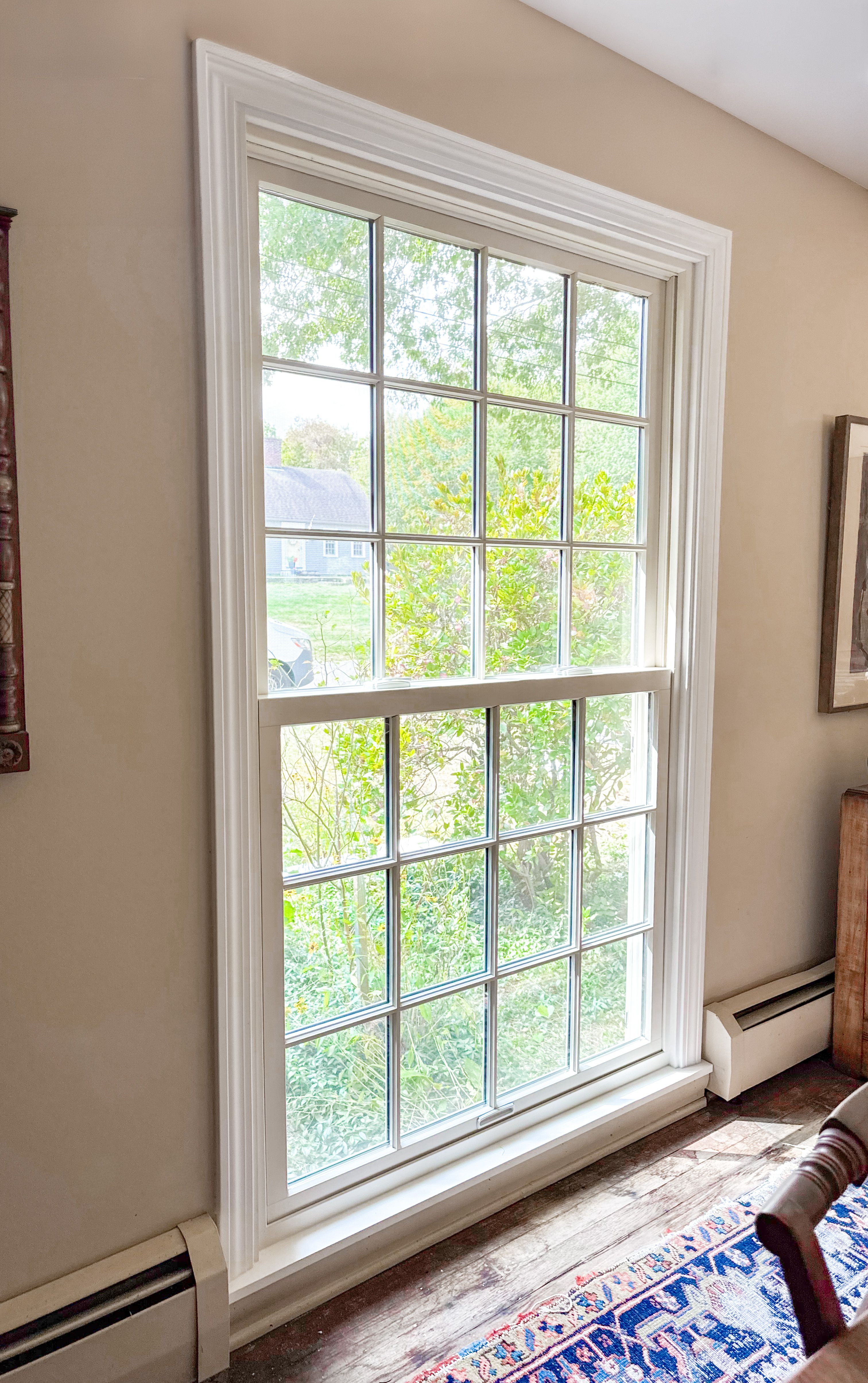
When it comes to home design, the details make all the difference. Window grilles, those decorative bars that divide window glass into smaller sections, can dramatically transform your home's appearance. But are they right for your home? Let's explore the advantages and disadvantages of window grilles to help you make an informed decision that balances aesthetics with practicality.
How Window Grilles Transform Your Home's Character
Window grilles have a remarkable ability to enhance your home's architectural identity. What began centuries ago as a practical necessity (when glass manufacturing technology couldn't produce large panes) has evolved into a beloved design element that adds character and visual interest to homes.
Window grilles break up large glass areas into defined sections, creating visual rhythm and proportion that many homeowners find appealing. This visual subdivision makes windows appear more intentional as architectural features rather than mere functional openings. For homes with traditional, colonial, or period-appropriate architectural styles, window grilles provide essential design continuity that preserves historical integrity while maintaining contemporary functionality.
The customization possibilities available today are truly impressive. Whether you prefer colonial-style grilles with symmetrical rectangular patterns, prairie-style grilles with larger central glass areas and smaller corner sections, or craftsman-style grilles with horizontal bars only on the upper portion, you can select patterns that perfectly complement your home's unique architecture.
Maintenance and Functionality
While window grilles offer substantial aesthetic benefits, they do introduce some practical considerations that homeowners should weigh carefully.
The most frequently mentioned drawback involves cleaning. Windows with surface-mounted grilles require more time and effort to clean compared to frameless windows. Instead of wiping the entire glass surface in one continuous motion, you'll need to navigate around grille bars while cleaning each window section individually. The grille bars themselves can trap dirt and dust in corners and crevices, requiring dedicated attention.
However, modern window technology has addressed this concern. Renewal by Andersen offers grilles-between-the-glass configurations, where decorative bars are permanently sealed within the insulated glass unit between the panes. This innovative design eliminates exterior grille cleaning burdens while maintaining the aesthetic appeal you desire.
Another consideration is view obstruction. Grille bars physically interrupt sightlines and fragment views into multiple sections, which can diminish the visual experience of substantial outdoor scenery. If your home boasts mountain, waterfront, or forest views, you might want to carefully consider whether grilles align with your priorities.
Natural light reduction is another factor to consider. Window grilles slightly reduce the amount of natural light entering your home compared to frameless windows, as the grille bars themselves occupy physical space that would otherwise transmit light. While this reduction is relatively modest, it's worth considering, especially for homes in regions with limited natural daylight.
Do Window Grilles Impact Energy Efficiency?
Many homeowners wonder whether window grilles impact energy efficiency. The relationship between grilles and energy performance depends substantially on grille construction, installation quality, and specific product configurations.
The good news? Decorative grille style selections such as colonial versus prairie configurations have essentially no direct impact on energy performance. The critical energy performance determinants involve the underlying window glass package, frame material composition, and installation quality.
Renewal by Andersen's High-Performance™ Low-E4® glass and exclusive Fibrex® material frame provide superior energy efficiency regardless of whether you choose grilles. Fibrex® material combines the strength and stability of wood with the low-maintenance features of vinyl, creating windows that insulate better than aluminum and won't crack, pit, corrode, or rot.
Grille installation methodology does create some energy efficiency distinctions. Grilles that directly contact both glass panes can introduce minor thermal bridging effects. However, research demonstrates that these grille-related energy efficiency impacts remain relatively modest compared to other window performance factors.
Interestingly, grilles can provide modest environmental benefits in certain circumstances through their ability to reduce solar heat gain in warm climates. The grille bars slightly reduce the cumulative solar heat entering homes during cooling seasons, potentially lowering air-conditioning energy demands in regions experiencing significant summer heat.
Do Grilles Make Financial Sense?
Window grille costs vary based on type, pattern complexity, materials, and manufacturer specifications. Understanding this cost structure helps you determine whether the aesthetic benefits justify the investment.
Grilles-between-the-glass configurations typically represent the most economical option, while Simulated Divided Lite configurations with exterior and interior grilles command higher premiums due to increased manufacturing complexity and material requirements.
When evaluating grille investments, consider the long-term value profile rather than initial acquisition costs alone. Windows represent substantial long-term investments typically lasting 15-40 years depending on material and maintenance quality. High-quality windows with appropriately styled grilles that enhance property aesthetics and contribute to curb appeal may generate financial returns through property value appreciation that exceed initial investments.
Real estate professionals acknowledge that appropriate window selections, particularly those incorporating period-appropriate grilles on traditional homes, contribute to positive buyer first impressions and perceived property quality that influence purchase negotiations.
Making the Right Choice for Your Home
Window grille selections ultimately represent nuanced decisions balancing aesthetic benefits against practical considerations that differ substantially across individual properties and homeowner circumstances.
If you prioritize aesthetic appeal, architectural authenticity, and curb appeal, grilles make excellent sense, particularly for traditional-style homes where they reinforce architectural heritage and enhance perceived property quality.
If unobstructed views, minimal maintenance burden, and maximum natural light transmission top your priority list, you might consider whether grille installations truly serve your preferences.
The good news? You don't have to navigate this decision alone. Renewal by Andersen's window design consultants can help you evaluate your specific circumstances and preferences to determine the ideal window configuration for your home.
Their expertise extends beyond mere product knowledge, they understand how windows contribute to your home's overall aesthetic, energy performance, and long-term value. With their guidance, you can select window grilles that perfectly balance visual appeal with practical considerations.
Whether you choose colonial grilles that complement your historic home, prairie grilles that preserve your mountain views, or decide that frameless windows better suit your contemporary aesthetic, Renewal by Andersen delivers exceptional quality backed by one of the strongest window and door replacement limited warranties you'll ever find.
Your windows are more than just functional elements, they're architectural statements that define your home's character. By carefully weighing the substantial benefits of window grilles against practical considerations, you can make informed decisions ensuring that your window investments deliver satisfaction aligned with your specific circumstances and priorities for years to come.
Schedule a Consultation