
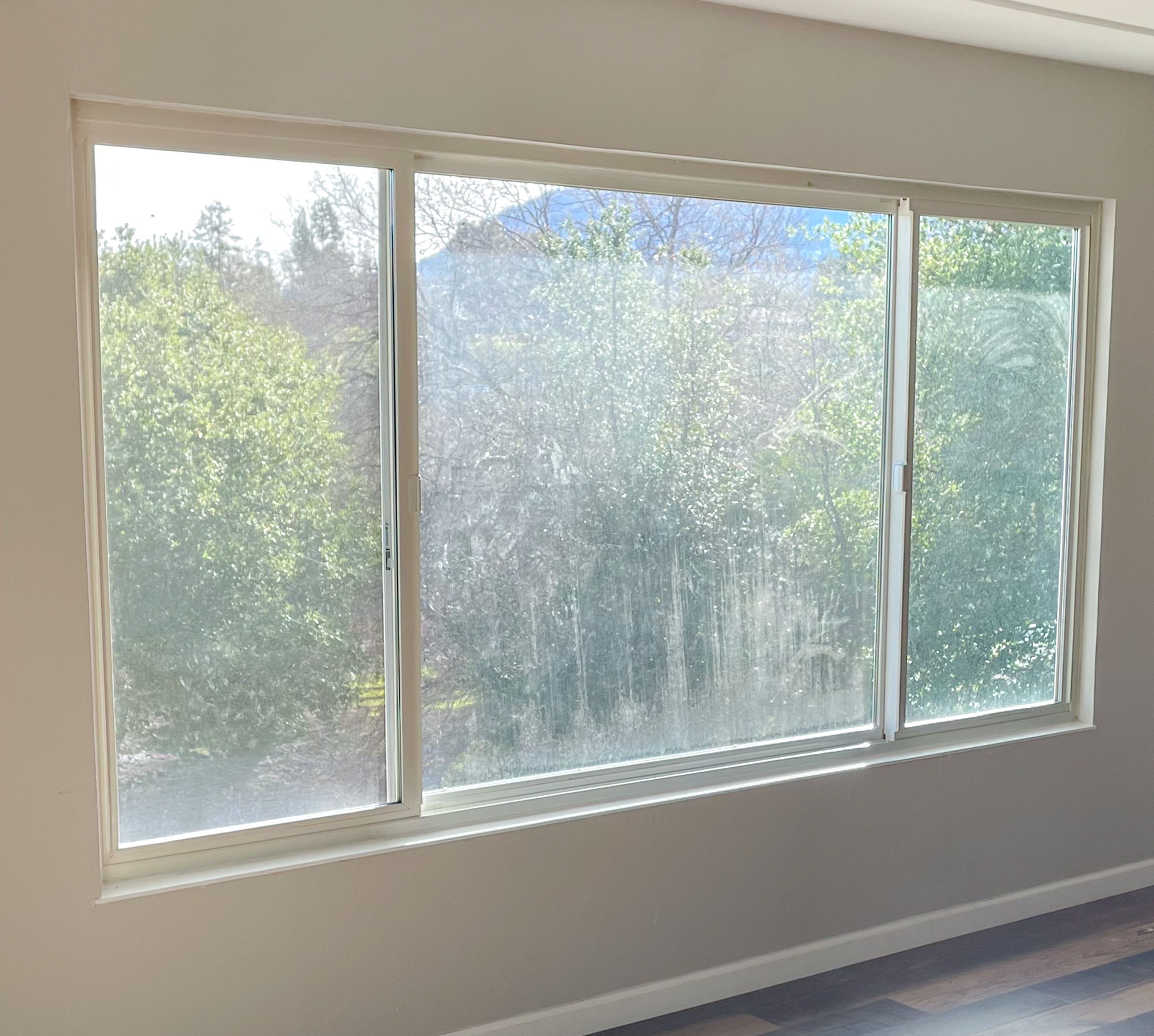
Foggy windows are a common frustration for homeowners, especially during major temperature changes or humid weather. In some cases, fogging is temporary and harmless. In others, it may signal failing seals, trapped moisture, or windows that are no longer insulating properly.
Understanding why your windows are foggy can help you determine whether a simple adjustment will help or if replacement may be the better long-term solution.
What Causes Foggy Windows?
Windows typically become foggy because moisture forms on or inside the glass. This happens when warm, humid air comes into contact with a cooler surface.
However, not all window fogging means the same thing. The location of the moisture usually helps identify the underlying issue.
Fog on the Inside of Windows
Condensation on the interior surface of a window is often caused by high indoor humidity levels combined with cooler glass temperatures.
This is more common:
- During winter
- In bathrooms or kitchens
- In homes with limited ventilation
- Around older or less efficient windows
In many cases, interior condensation is temporary. However, persistent moisture may indicate the windows are not insulating as effectively as they should.
Older windows are especially prone to this because the interior glass surface becomes colder more easily.
Fog Between Window Panes
If your windows look foggy between the panes of glass, the issue is usually more serious.
Modern double-pane and triple-pane windows rely on insulated seals to help block moisture and improve energy efficiency. When those seals fail, outside moisture can enter the space between panes while insulating gas escapes.
Common signs of seal failure include:
- Persistent fogging between panes
- Cloudy or hazy glass appearance
- Moisture that cannot be wiped away
- Reduced visibility through the window
Once a seal fails, the insulating performance of the window declines significantly.
Fog on the Outside of Windows
Exterior condensation is usually not a problem.
This often happens when outdoor humidity is high and the outer glass surface remains cooler than the surrounding air. In fact, exterior condensation can sometimes indicate the window is insulating effectively by preventing indoor heat transfer.
This type of fogging typically disappears as outdoor temperatures change throughout the day.
Why Foggy Windows Can Affect Energy Efficiency
Foggy windows are not always just a cosmetic issue. In many cases, they are connected to declining insulation performance.
When seals weaken or fail:
- Air leakage may increase
- Indoor temperatures become harder to regulate
- Heating and cooling systems work harder
- Energy efficiency declines
If multiple windows throughout the home are fogging regularly, it may be a sign the window system is aging overall.
How to Fix Foggy Windows
The right solution depends on what is causing the fogging.
Reduce Indoor Humidity
If condensation forms on the inside surface of the glass, lowering indoor humidity may help.
Potential solutions include:
- Using bathroom and kitchen exhaust fans
- Running a dehumidifier
- Improving airflow throughout the home
- Keeping blinds or curtains open for better circulation
These steps may help reduce temporary interior condensation.
Inspect Window Seals
If fogging appears between panes, the insulated seal may have failed.
While temporary defogging services exist, they typically do not restore the original insulating performance of the window. In many cases, window replacement provides the most effective long-term solution.
Evaluate Window Age and Performance
Older windows are more likely to develop seal failures, drafts, and insulation problems over time.
If your windows are showing any of the following issues, window replacement may be worth considering:
- Drafts
- Difficulty opening or closing
- Rising energy bills
- Visible frame damage
- Uneven indoor temperatures
Can New Windows Help Prevent Fogging?
In many cases, yes. Modern replacement windows are designed with stronger seals, improved insulation, and more durable materials to help reduce moisture-related issues.
Features that may help include:
- Multi-pane insulated glass
- Low-E glass coatings
- Improved weatherstripping
- More stable frame materials
Composite frame materials can be especially beneficial in climates with large seasonal temperature swings because they are designed to resist excessive expansion and contraction over time.
How Renewal by Andersen Helps Homeowners Address Foggy Windows
If your windows are fogging regularly, a professional evaluation can help determine whether the issue is related to humidity, seal failure, or aging window performance.
Renewal by Andersen replacement windows are built with exclusive Fibrex® composite material, engineered to resist warping and maintain stability during changing weather conditions. When paired with advanced High-Performance™ Low-E4® glass, these windows are designed to help improve insulation, reduce drafts, and support year-round comfort.
Professional installation by Certified Master Installers helps ensure each window is properly fitted and sealed for long-term performance. In climates with seasonal temperature swings and humidity changes, that added durability and insulation can help reduce many of the issues that contribute to foggy windows over time.
Schedule a Consultation