
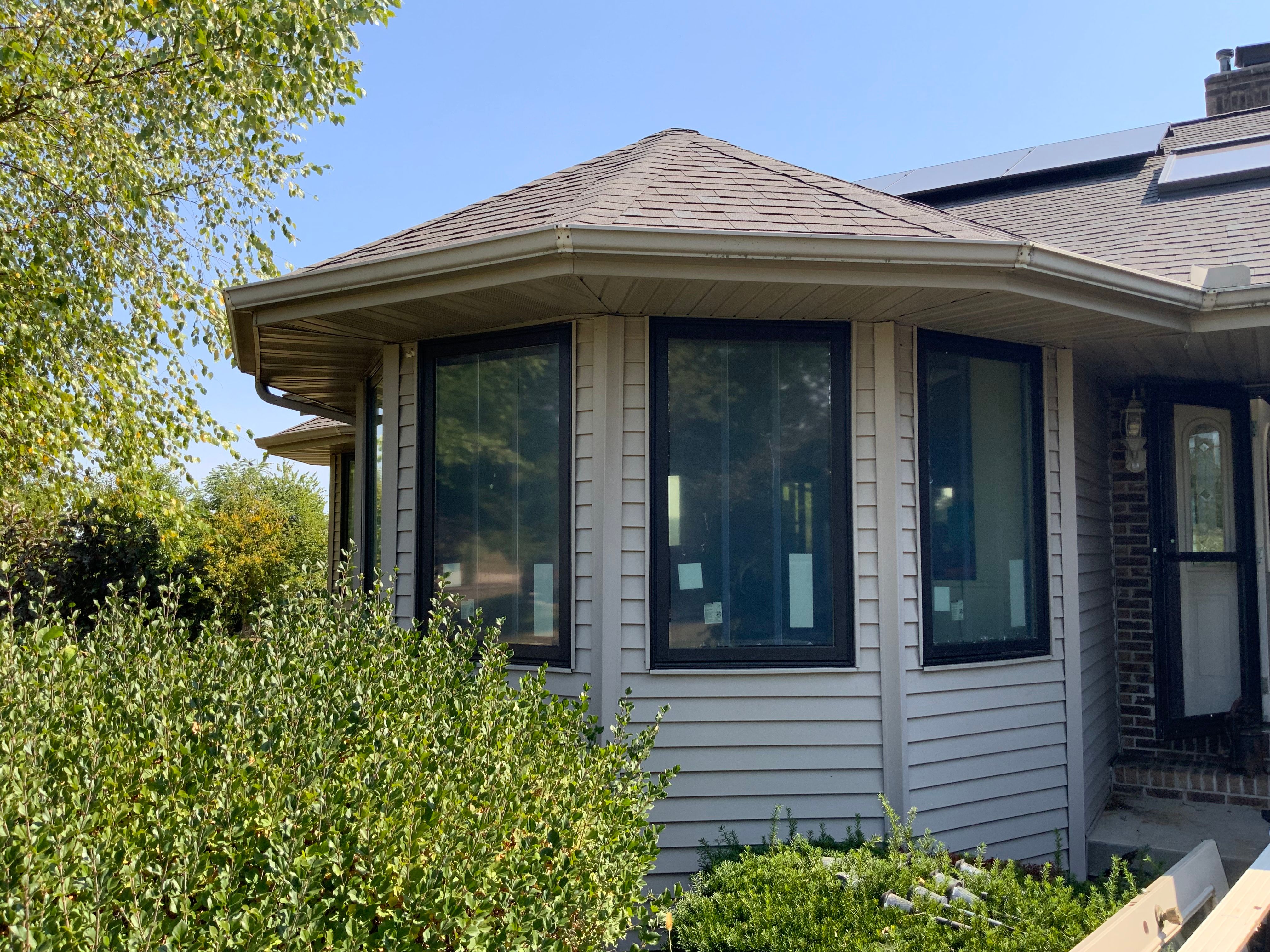
When spring is in the air, unfortunately for millions of Americans, so is pollen. If you're one of the estimated 100 million people who suffer from seasonal allergies, you know the misery all too well: the sneezing, itchy eyes, congestion, and fatigue that can make beautiful spring days feel like a punishment rather than a pleasure.
But what if your home could become a true sanctuary from these seasonal torments? What if something as seemingly simple as your windows and doors could dramatically reduce the amount of allergens infiltrating your living space?
The Hidden Connection Between Your Windows and Allergy Symptoms
Most homeowners don't realize that their windows and doors might be silently sabotaging their health. Even when closed, older or poorly-maintained windows can allow significant air infiltration, up to 15 cubic feet per minute, creating a direct pathway for outdoor allergens to enter your home continuously.
This problem has grown increasingly serious as climate change extends pollen seasons. Research shows that pollen seasons now last approximately three weeks longer than they did fifty years ago, with plants producing about 20% more pollen than in previous decades. For allergy sufferers, this means more days of symptoms and greater intensity of exposure.
How Modern Windows and Doors Create an Allergen Barrier
Today's advanced window and door technology offers a sophisticated defense against seasonal allergens. Unlike older single-pane windows that provide minimal protection, modern replacement options from quality manufacturers like Renewal by Andersen create multiple barriers against outdoor pollutants.
The Power of Multiple Panes
Double-pane windows incorporate two layers of glass separated by a sealed space typically filled with insulating air or specialty gases such as argon. This construction effectively traps air and creates a barrier against outdoor pollutants including dust, pollen, and other allergens. The tight seal prevents drafts and significantly reduces the amount of outdoor air and pollutants entering your home.
For even greater protection, triple-pane windows offer superior thermal resistance and allergen blocking capabilities. With three glass layers separated by two insulating spaces, these premium windows provide exceptional performance for homes in severe climates or for homeowners with significant allergy concerns.
Revolutionary Materials Make the Difference
The frame material of your windows plays a crucial role in allergen resistance. Traditional wood frames, while beautiful, can trap moisture and potentially harbor mold, a significant indoor allergen source.
Modern composite materials like Renewal by Andersen's exclusive Fibrex® material combine the strength and insulating properties of wood with the low-maintenance features of vinyl. This revolutionary composite resists expansion and contraction with temperature changes, maintaining tight seals that prevent allergen infiltration. Additionally, Fibrex® material doesn't absorb moisture or promote mold growth, making it an ideal choice for allergy sufferers.
Advanced Glass Technologies
Low-emissivity (Low-E) glass coatings represent another critical technology for allergen-resistant windows. These microscopic transparent coatings applied to glass surfaces reflect heat while allowing visible light to pass through, reducing heat transfer and maintaining more stable internal glass temperatures.
Renewal by Andersen's High-Performance™ Low-E4® glass goes beyond standard low-E coatings to provide exceptional energy efficiency while addressing a key allergy concern: condensation. By keeping interior glass surfaces warmer during cold weather, this advanced glass prevents the condensation formation that creates conditions for mold growth, a significant year-round allergen threat.
The Critical Importance of Professional Installation
Even the most technologically advanced windows and doors can't deliver allergen protection if they're improperly installed. Gaps as small as 1/16 of an inch can compromise the entire system, allowing allergens to infiltrate your home despite your investment in quality products.
Professional installation includes meticulous attention to weatherstripping—the flexible material that creates a seal between moving parts of windows and doors. Quality weatherstripping materials like silicone or rubber provide greater durability and more effective results than inferior alternatives, with flexible seal characteristics capable of withstanding weather changes and frequent use.
Equally important is proper caulking around window and door frames to seal gaps between the frame and adjacent wall structures. High-quality exterior-grade caulk, typically silicone or latex-based materials, should fill all visible gaps around frame perimeters to prevent air and water infiltration.
Renewal by Andersen's Certified Master Installers undergo extensive training specifically focused on these critical details. Their installation process includes comprehensive weatherstripping and sealing protocols that ensure your new windows and doors provide the allergen protection you expect.
Beyond Windows: Creating a Comprehensive Allergen Management Strategy
While upgraded windows and doors form a critical foundation for indoor allergen control, a comprehensive approach yields the best results. Consider these complementary strategies to maximize your allergen protection:
Strategic Window Operation
During peak pollen hours (typically early morning when pollen counts are highest), keep windows closed to prevent excessive pollen infiltration. On days when outdoor pollen counts remain elevated, stay indoors with windows closed and rely on air conditioning with recirculation settings.
Conversely, during mild weather with lower pollen counts, opening windows strategically for 10-15 minutes daily can significantly improve indoor air quality by removing stale indoor air and diluting accumulated pollutants.
Humidity Control
Maintaining indoor humidity between 30-50% significantly inhibits dust mite reproduction and survival while also discouraging mold growth. Air conditioning and dehumidifiers help achieve target humidity levels, particularly in naturally humid climates or during humid seasons.
Appropriate Window Treatments
Window treatments dramatically influence indoor allergen levels. Heavy drapes and curtains trap allergens deep within fibers, while horizontal blinds quickly gather dust and prove difficult to clean thoroughly.
For allergy sufferers, optimal window treatments include roller shades fabricated from vinyl or polyester blends that provide smooth, non-porous surfaces easily wiped clean. Plantation shutters with wide, solid louvers also prove remarkably effective because their solid construction eliminates fabric-based dust trapping.
Regular Maintenance
During peak pollen season, professional window cleaners recommend washing windows at least once weekly using mild detergent and microfiber cloths to remove accumulated pollen, dust, and debris. Window screens and frames require particular attention, as these areas accumulate pollen and dust at high concentrations.
The Investment Value: Health Benefits and Energy Savings
The decision to invest in new windows and doors for allergen reduction delivers multiple returns beyond improved health. Energy efficiency improvements from upgraded windows and doors provide substantial ongoing financial benefits that offset initial investment costs over the window lifespan.
According to the U.S. Department of Energy, air sealing doors and windows reduces heating and cooling costs by more than 20%. For many households, this translates to significant annual energy savings from upgraded windows, with these savings accumulating to substantial amounts over a typical 20-year window lifespan.
Beyond quantifiable energy savings, the health and quality-of-life improvements from allergen reduction prove invaluable. Relief from symptoms including sneezing, nasal congestion, itchy eyes, and fatigue improves sleep quality, mood, and overall well-being in ways that extend far beyond financial calculation.
The Renewal by Andersen Difference for Allergy Sufferers
What sets Renewal by Andersen apart for homeowners concerned about allergies is their comprehensive approach to window and door replacement. Unlike companies that simply sell products, Renewal by Andersen manages the entire process from consultation through installation and warranty.
Their consultation process begins with understanding your specific concerns, including allergy considerations. Design consultants evaluate your current windows and doors, identifying problem areas where allergen infiltration likely occurs. They then recommend appropriate solutions based on your home's specific needs and your health priorities.
The exclusive combination of Fibrex® material frames and High-Performance™ Low-E4® glass creates windows specifically engineered to maintain tight seals and resist conditions that promote allergen accumulation. Installation by Certified Master Installers ensures these advanced materials deliver their full potential for allergen protection.
Perhaps most importantly, Renewal by Andersen stands behind their work with one of the strongest warranties in the industry. Their limited warranty covers parts, labor, and original installation services, providing peace of mind that your investment in allergen reduction will continue delivering benefits for years to come.
Taking the Next Step Toward an Allergen-Resistant Home
For the millions of Americans suffering through increasingly long and intense allergy seasons, new windows and doors represent a scientifically validated, highly effective approach to reducing indoor allergen levels. The convergence of climate change extending pollen seasons, modern window and door technology providing substantial allergen barriers, and growing awareness of indoor air quality's importance creates an optimal environment for homeowners to invest in allergen-resistant windows and doors.
If you're tired of your home being an extension of the pollen-filled outdoors rather than a sanctuary from it, consider scheduling a consultation with Renewal by Andersen. Their experts can evaluate your current windows and doors, identify allergen infiltration points, and recommend solutions specifically designed to create the healthy indoor environment you deserve.
With proper windows and doors forming the foundation of your allergen management strategy, you might find yourself actually looking forward to spring again, enjoying the beauty of the season from behind windows that keep the pollen where it belongs: outside.
Schedule a Consultation