
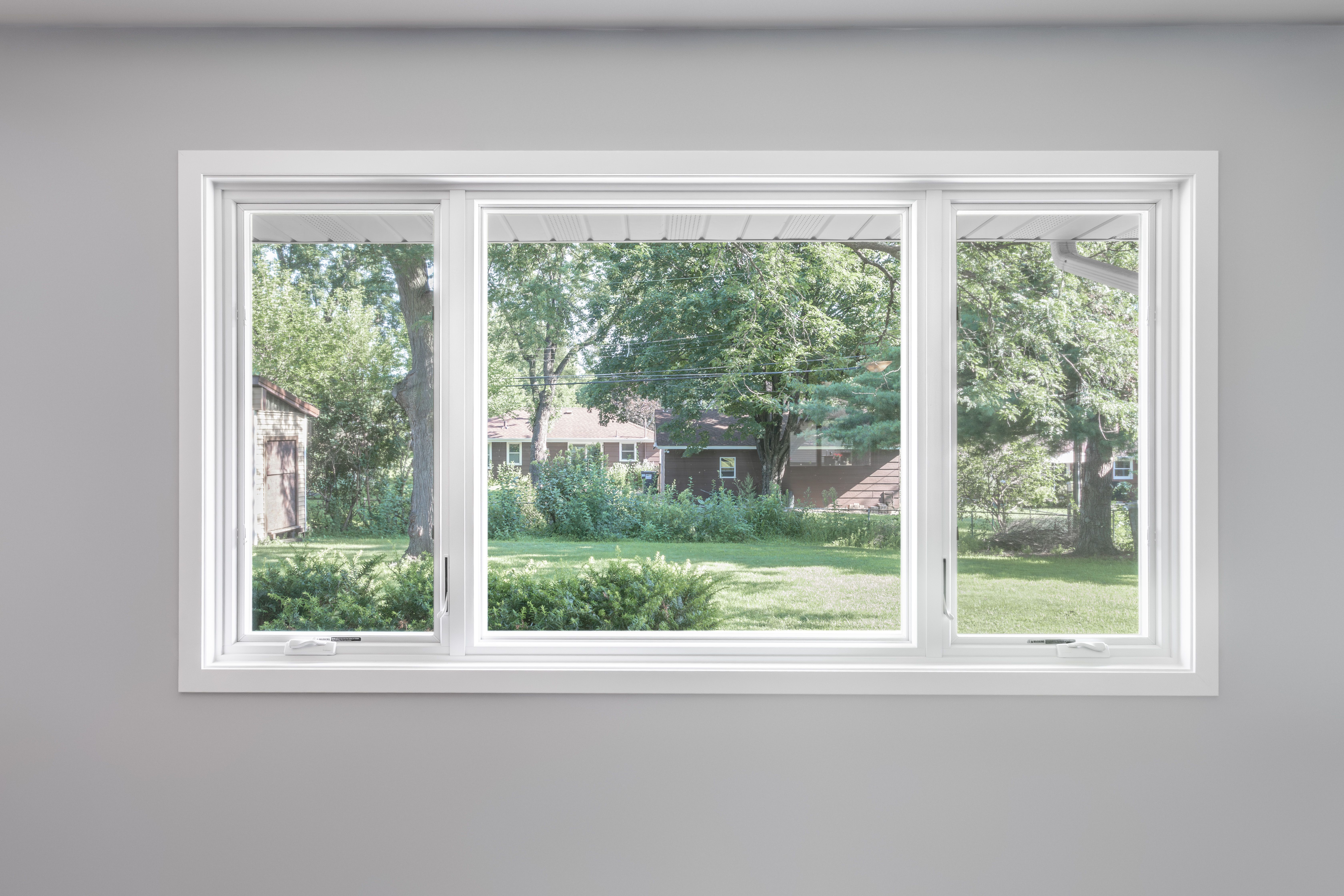
If you’ve ever sat near a window on a hot summer day and felt heat pouring in, or noticed certain rooms are harder to keep comfortable than others, you’ve already experienced how much your window glass matters.
When choosing replacement windows, one of the most important decisions comes down to glass type. For many homeowners, the comparison is between Low-E glass vs clear glass. While both allow natural light into your home, they perform very differently when it comes to energy efficiency, comfort, and long-term value.
Understanding those differences can help you make a more informed decision: one that fits both your home and how you live in it.
What’s the Difference Between Low-E Glass and Clear Glass?
Clear glass is the traditional option most homes have used for decades. It’s simple, transparent, and allows a high amount of natural light to pass through, typically around 80-90%. Because it lacks any special coating, it also allows a large amount of heat and ultraviolet (UV) rays to pass through as well.
Low-E glass, short for “low emissivity,” is designed to improve on that performance. It features an ultra-thin, nearly invisible metallic coating that reflects heat while still letting in natural light. The effect is subtle visually, but significant in how the window performs.
In practical terms, this means:
- Clear glass lets heat move freely in and out of your home
- Low-E glass helps keep heat where you want it: outside in summer, inside in winter
Low-E Glass vs Clear Glass: Key Differences at a Glance
Energy Efficiency
- Low-E Glass: High - reflects heat and improves insulation
- Clear Glass: Low - allows heat transfer
Indoor Comfort
- Low-E Glass: More consistent indoor temperatures
- Clear Glass: More prone to hot and cold spots
UV Protection
- Low-E Glass: Blocks up to 84-95% of UV rays*
- Clear Glass: Limited UV protection
Natural Light
- Low-E Glass: High light transmission (slightly filtered)
- Clear Glass: Maximum light transmission
Upfront Cost
- Low-E Glass: Higher initial investment
- Clear Glass: Lower upfront cost
Long-Term Value
- Low-E Glass: Strong - energy savings and durability
- Clear Glass: Lower - fewer efficiency benefits
Best Use
- Low-E Glass: Ideal for living spaces, bedrooms, and whole-home upgrades
- Clear Glass: Best for garages, sheds, and low-priority spaces
*UV protection based on Renewal by Andersen Low-E4® Glass options
How Each Option Affects Comfort in Your Home
One of the biggest differences between Low-E and clear glass shows up in everyday comfort.
With clear glass, it’s common to experience:
- Hot spots near sun-facing windows
- Drafty areas during colder months
- Frequent thermostat adjustments to stay comfortable
Low-E glass helps create a more balanced indoor environment. By reflecting heat rather than allowing it to pass through, it reduces temperature swings throughout the home. Rooms that once felt too warm or too cold become more consistent, especially during peak summer and winter months.
Energy Efficiency: Where Low-E Glass Stands Out
Energy performance is where the gap between these two options becomes more apparent. Clear glass offers minimal insulation, meaning your heating and cooling system has to work harder to maintain indoor temperatures. Over time, that can translate into higher energy usage and increased utility costs.
Low-E glass is engineered to improve efficiency by:
- Reflecting unwanted solar heat away from your home
- Reducing heat loss during colder weather
- Improving overall insulation performance
Depending on your climate and window placement, this can lead to meaningful reductions in heating and cooling demands.
UV Protection and Interior Fading
Sunlight doesn’t just bring in heat, it also carries UV rays that can damage your home’s interior over time.
Clear glass provides limited protection, allowing UV rays to pass through more freely. This can lead to fading in furniture, flooring, and decor, especially in rooms with direct sunlight.
Low-E glass blocks the vast majority of these harmful rays, helping preserve your home’s interior and maintain its appearance over time.
Window Glass Cost vs Long-Term Value
Clear glass is typically more affordable upfront, which makes it a practical option for certain applications.
However, when evaluating windows for primary living spaces, it’s important to consider long-term value. Low-E glass often delivers benefits that extend well beyond the initial investment, including improved comfort, better efficiency, and reduced wear on your HVAC system.
For many homeowners, those advantages make it a worthwhile upgrade.
When Clear Glass Might Still Make Sense
While Low-E glass offers strong performance benefits, clear glass can still be a reasonable choice in some situations.
It may be suitable for:
- Unconditioned or rarely used spaces
- Projects with tight short-term budgets
- Areas where energy performance isn’t a priority
Even so, most homeowners find that Low-E glass provides a more complete solution for everyday living spaces.
Choosing the Right Glass for Your Home
The right choice depends on your priorities, your home’s layout, and how long you plan to stay.
If your goal is to improve comfort, reduce energy strain, and protect your interiors, Low-E glass is often the better fit. It addresses common issues associated with traditional windows while maintaining the natural light homeowners want.
Looking at your windows as a complete system, including frame materials and installation quality, can help ensure the best long-term results.
How Renewal by Andersen Helps You Make the Right Choice
Choosing between Low-E and clear glass becomes much easier with the right guidance. Renewal by Andersen takes a comprehensive approach, helping homeowners evaluate their current windows and determine which solutions will perform best in their specific environment.
Renewal by Andersen replacement windows are built with exclusive Fibrex® composite material, offering durability and insulation that enhance overall window performance. Their advanced Low-E glass options, such as High-Performance™ Low-E4® glass, are engineered to deliver strong year-round efficiency, helping block heat, reduce energy loss, and protect against harmful UV rays. Together, these elements create a window system designed for long-term comfort and reliability.
Professional installation by Certified Master Installers ensures that each window is properly fitted and sealed, helping you get the full benefit of your investment. In climates like Illinois and Iowa, where homes face both hot summers and cold winters, choosing the right glass can make a noticeable difference in comfort, efficiency, and long-term performance.
Schedule a Consultation