
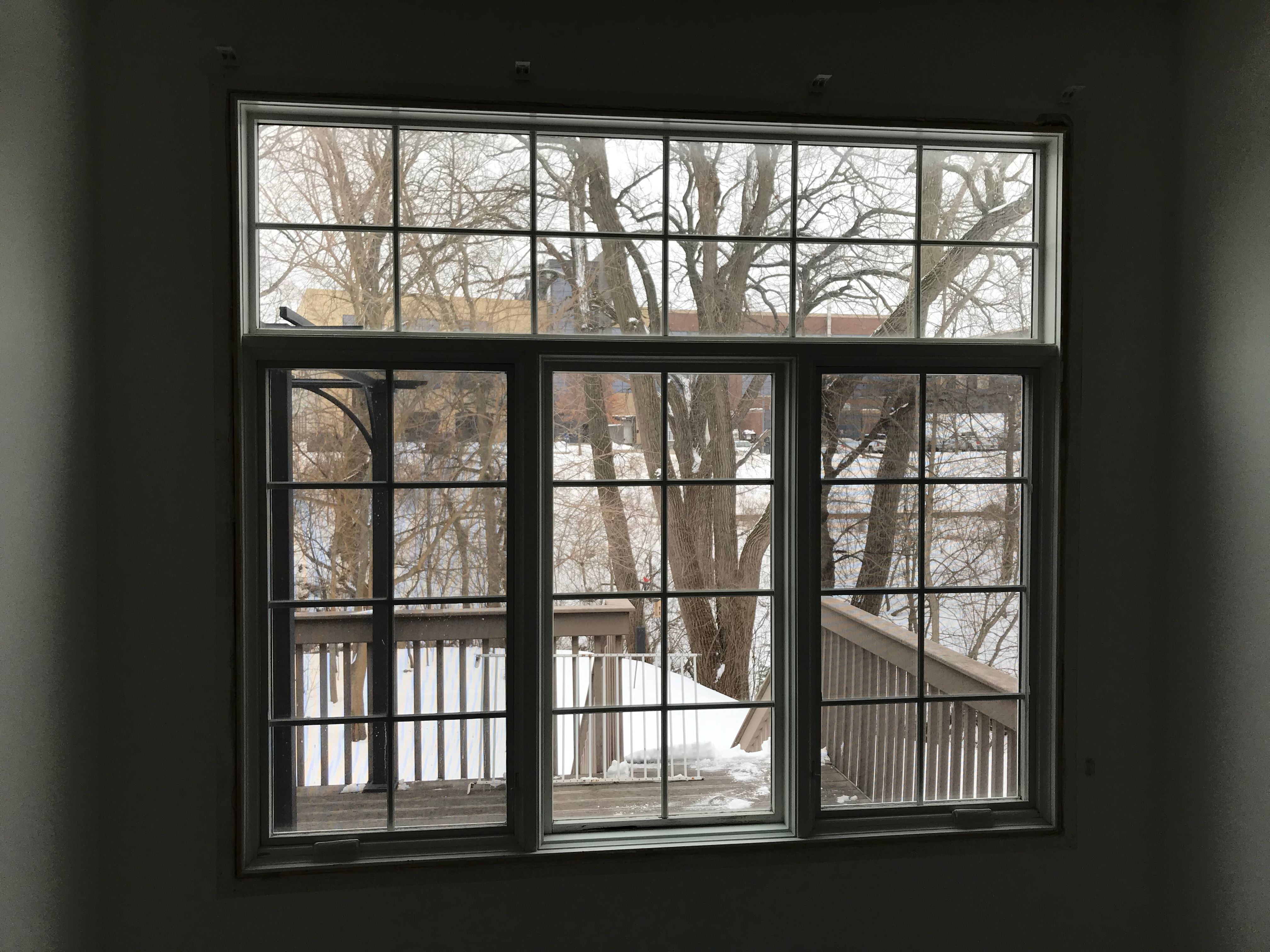
As an Iowa homeowner, you've likely experienced the frustration of windows that just don't seem to work properly. From stubborn condensation that obscures your view to that persistent draft that makes your living room uncomfortable no matter how high you set the thermostat, window problems can significantly impact your home's comfort and energy efficiency.
Iowa's climate presents unique challenges for residential windows. The extreme seasonal shifts, from brutally cold winters to hot, humid summers, put tremendous stress on window systems. These temperature variations, combined with frequent freeze-thaw cycles, create conditions that accelerate window deterioration and lead to a host of common problems that many homeowners face.
Understanding Iowa's Window Challenges
Iowa's continental climate is particularly demanding on window systems. During winter, temperatures frequently drop well below zero, while summer can bring sweltering heat and high humidity. This constant cycling between extremes forces window materials to expand and contract repeatedly, placing immense mechanical stress on frames, seals, and glass.
Condensation
Condensation represents one of the most frequently encountered window problems in Iowa homes. That foggy view isn't just an aesthetic issue—it's often a warning sign of more serious problems developing.
Moisture accumulates when warm, humid interior air contacts cold glass surfaces, causing water vapor to condense into visible droplets. During Iowa's harsh winters, this process becomes almost inevitable when indoor humidity levels exceed what the air can hold at the glass surface temperature.
The danger extends beyond temporary moisture. Persistent condensation creates ideal conditions for mold and mildew growth, which can begin developing within 24-48 hours of water exposure. This represents a genuine health hazard, particularly for residents with respiratory sensitivity or allergies.
Beyond health concerns, chronic condensation causes structural damage that becomes expensive to repair. Water seeping into wooden window frames promotes rot that weakens the window's structural integrity, while moisture migrating into surrounding drywall and wall cavities causes paint to peel and promotes additional mold growth.
When condensation appears between glass panes, it indicates seal failure in double or triple-pane windows. This condition cannot be cleaned because the moisture is sealed inside the window unit itself. Once this failure occurs, the window has lost much of its insulating capacity because the air gap between panes no longer contains the low-conductivity gas that reduces heat transfer.
Drafts and Air Infiltration
Windows represent the primary pathway through which unwanted air infiltration occurs in homes. These drafts can originate from multiple sources: gaps between the sash and frame, deteriorated weatherstripping, failed seals around the window perimeter, or improper installation that leaves gaps around the window opening.
The magnitude of air leakage through poorly installed windows can be astonishing. Research has found that infiltration resulting from a typical window installation following basic manufacturer instructions can be equivalent to having a hole in your wall measuring between 27 to 42 square inches. This substantial leakage forces heating systems to work continuously to compensate for lost heat, dramatically increasing energy consumption and utility bills.
In Iowa homes where heating costs can exceed $1,000 annually, reducing infiltration through windows can yield substantial savings. The U.S. Department of Energy estimates that homes can lose 25-30% of heating and cooling energy through windows, and replacing old windows with energy-efficient units can reduce household energy bills by 12-13% on average.
Seal Failure
Window seal failure represents a fundamental problem that generates multiple secondary issues throughout the window system. Seals fail when caulking or weatherstripping around the window frame deteriorates, cracks, breaks off, or loses its adhesion to the window frame or surrounding wall surface.
The exterior caulk joint that creates a weather-tight seal around the window perimeter must withstand the freeze-thaw cycles, temperature fluctuations, and UV exposure that characterize Iowa weather. When it fails, it allows water and air to infiltrate the space around the window opening.
In Iowa specifically, the freeze-thaw stress on window seals is particularly intense. As water penetrates cracks and gaps in or around window frames during mild periods, it becomes trapped and freezes when temperatures drop, exerting expansive force that further widens cracks and breaks seals. The repeated cycling of this process throughout an Iowa winter accelerates the rate of seal deterioration beyond what would occur in more temperate climates.
Frame Deterioration
Wood window frames represent particularly vulnerable components in Iowa homes because wood is naturally susceptible to moisture damage and decay. Rotted window frames develop when water penetrates the wood through failed seals, condensation, poor drainage, or direct exposure to rain and snow.
The classic signs of wood frame deterioration include softened or discolored wood that feels spongy when pressed, visible crumbling of wood fibers, visible mold growth on the frame surface, and paint that peels or bubbles.
The progression of frame rot, once initiated, is often rapid in Iowa's climate because conditions remain favorable throughout much of the year. As wood deteriorates, it loses structural strength, becoming unable to maintain its original shape and creating gaps that allow air and water to infiltrate further. Rotted frames also cannot properly support window components, causing windows to become difficult or impossible to operate.
The Importance of Quality Windows
When considering window replacement, understanding the technical specifications that define window energy efficiency enables Iowa homeowners to make informed decisions about which replacement windows will provide the best performance in our demanding climate.
The U-Factor, measured on a scale from 0 to 1, quantifies how well a window prevents heat from escaping the home, with lower numbers indicating better insulation. For Iowa's cold winters, the Department of Energy and window efficiency programs recommend a U-Factor of 0.30 or lower for excellent performance.
The Solar Heat Gain Coefficient (SHGC) measures how much heat from the sun passes through the window glass, with lower values indicating greater capacity to block solar heat gain. In Iowa's climate with hot summers and intense solar radiation, an SHGC between 0.25 and 0.40 provides an appropriate balance, blocking excess summer heat while allowing beneficial winter solar gain.
ENERGY STAR certification has become the standard indicator of window energy efficiency in Iowa, with certified windows meeting rigorous performance standards established by the National Fenestration Rating Council. The significance of ENERGY STAR certification is substantial: homes that replace old single-pane windows with ENERGY STAR certified replacements typically reduce energy bills by 12-13% on average.
Choosing the Right Windows for Iowa
The material from which a window frame is constructed significantly influences how well it performs in Iowa's demanding climate. Different materials offer distinct advantages and disadvantages in the context of freeze-thaw cycles, moisture exposure, and temperature fluctuations.
Vinyl frames have become a common choice for replacement windows in Iowa because they offer good energy efficiency, require minimal maintenance, resist moisture absorption, and provide affordable pricing. Vinyl does not rot, does not require painting, and maintains its appearance over decades with only occasional cleaning.
Fiberglass frames combine the aesthetic qualities of wood with superior durability and minimal maintenance requirements, making them particularly well-suited to Iowa's climate. Fiberglass undergoes minimal expansion and contraction across the temperature range experienced in Iowa, essentially eliminating the stress from thermal cycling that affects vinyl and wood frames.
This is where Renewal by Andersen's exclusive Fibrex® material offers a significant advantage. This composite material combines the strength and stability of wood with the low-maintenance features of vinyl. Fibrex® material expands and contracts very little with temperature changes, making it ideal for regions like Iowa with hot summers and freezing winters. Unlike wood, it doesn't absorb moisture, doesn't support mold growth, and doesn't rot, making it inherently resistant to the primary failure modes that affect traditional window materials.
Energy Efficiency Benefits
The energy efficiency of your windows directly impacts your home's comfort and your monthly utility bills. In Iowa's climate, where temperature extremes are common, this becomes even more critical.
High-performance windows create a more consistent indoor temperature by reducing heat transfer. During winter, they prevent warm air from escaping and cold drafts from entering. In summer, they help keep hot air outside and cool air inside. This temperature stability means your heating and cooling systems don't have to work as hard, reducing energy consumption and extending the life of your HVAC equipment.
Renewal by Andersen's High-Performance™ Low-E4® glass packages are specifically designed to address these challenges. The specialized coatings on these glass options reflect infrared light, keeping heat inside during winter and outside during summer, while still allowing visible light to pass through. When combined with gas fills between panes, these windows significantly outperform traditional single-pane or older double-pane windows in terms of energy efficiency.
For Iowa homeowners, this translates to tangible benefits: lower utility bills, improved comfort, reduced HVAC wear and tear, and a smaller carbon footprint. Many homeowners report that their rooms stay more comfortable year-round after installing energy-efficient windows, with fewer hot or cold spots and more consistent temperatures throughout the home.
How Replacement Windows Increase Home Value
Beyond the immediate benefits of comfort and energy savings, quality replacement windows represent a sound investment in your home's value. According to the National Association of Realtors, window replacement projects can recover approximately 70% of their cost in increased home value.
Real estate professionals consistently rank window replacement among the top home improvements for return on investment. Modern, energy-efficient windows are a strong selling point that can make your home more attractive to potential buyers and potentially reduce the time your home spends on the market.
The aesthetic improvement that new windows provide shouldn't be underestimated either. Updated windows can dramatically change the appearance of your home, both inside and out. They can bring in more natural light, provide better views, and complement your home's architectural style.
The Renewal by Andersen Consultation Process
Choosing the right replacement windows involves more than just selecting a style or material. It requires understanding your home's specific needs, your aesthetic preferences, and the performance characteristics that will work best in your climate.
Renewal by Andersen's consultation process begins with a free in-home assessment where a window design consultant evaluates your current windows, discusses your goals and preferences, and helps you explore options that will best meet your needs. This personalized approach ensures that you receive solutions tailored specifically to your home rather than one-size-fits-all recommendations.
During the consultation, you'll have the opportunity to examine different window styles, frame colors, hardware options, and glass packages. The consultant can provide information about energy performance ratings and explain how different features will benefit your specific situation.
What sets Renewal by Andersen apart is their comprehensive approach to window replacement. Rather than simply selling windows, they handle the entire process from initial measurement to final installation and cleanup. Their Certified Master Installers receive specialized training to ensure that every window is installed according to exact specifications.
This installation expertise is crucial because even the highest quality window will underperform if improperly installed. Proper installation ensures that your windows will operate smoothly, remain energy efficient, and last for decades.
Making the Right Choice for Your Iowa Home
When considering window replacement, it's important to look beyond the initial price tag. The lowest-cost option rarely provides the best long-term value, especially in Iowa's demanding climate. Quality windows, professionally installed, will deliver greater comfort, better energy efficiency, and longer service life—ultimately providing better value despite a higher initial investment.
Renewal by Andersen stands behind their products with one of the strongest warranties in the industry, covering materials, installation, and workmanship. This comprehensive warranty reflects their confidence in both their products and installation process, providing homeowners with valuable peace of mind.
For Iowa homeowners facing common window problems like condensation, drafts, or deteriorating frames, quality replacement windows offer a permanent solution rather than temporary fixes. By addressing these issues with durable, energy-efficient windows designed specifically for our climate challenges, you can enhance your home's comfort, appearance, and value for years to come.
The combination of innovative Fibrex® material, High-Performance™ Low-E4® glass, and professional installation by Certified Master Installers makes Renewal by Andersen uniquely qualified to address the window challenges that Iowa homeowners face. Their windows are engineered to withstand our extreme seasonal variations while maintaining their appearance and functionality for decades.
If you're tired of fighting with stubborn windows, wiping away condensation, or feeling drafts despite your best weatherproofing efforts, it may be time to consider a permanent solution. Quality replacement windows represent an investment in your home's comfort, efficiency, and value that you'll appreciate every day for years to come.
